Dental Implants for Seniors: Age, Bone Health, and Long-Term Results

Tooth loss is a common issue among older adults. Whether it’s due to age, gum disease, or injury, missing teeth can significantly impact one’s quality of life. Fortunately, dental implants offer a long-term, natural-looking solution that restores both function and confidence.

Many seniors wonder: Am I too old for dental implants? The good news is that age alone is not a barrier. With the right bone structure and overall health, seniors can benefit from dental implants just as much as younger patients.

In this blog, we’ll explore how dental implants work for seniors, how bone health plays a role, and the long-term benefits they offer.

What Are Dental Implants?

Dental implants are artificial tooth roots, typically made of titanium, that are surgically placed into the jawbone. Once healed, they support crowns, bridges, or dentures to replace one or more missing teeth. Implants function like natural teeth and help preserve bone health, maintain facial structure, and restore chewing ability.

Are Seniors Good Candidates for Dental Implants?

Absolutely. While it’s true that dental implants require adequate bone and general health, age itself is not a limiting factor. In fact, many seniors in their 60s, 70s, and even 80s successfully receive implants and enjoy their benefits for years.

Key Factors That Make a Senior a Good Candidate:

  • Overall health: Chronic conditions such as diabetes or heart disease must be well-controlled.
  • Healthy gums: Periodontal disease should be treated prior to implantation.
  • Adequate bone density: Enough jawbone is needed to anchor the implant securely.
  • Commitment to oral hygiene: Daily brushing, flossing, and regular dental visits are essential.

Even if you’ve worn dentures for years or experienced bone loss, options like bone grafting or implant-supported dentures can still make implants a viable solution.

The Role of Bone Health in Dental Implants

Bone health is a crucial part of implant success. When a tooth is lost, the jawbone beneath it begins to shrink due to lack of stimulation. Over time, this bone resorption can make it difficult to place implants without additional procedures.

How Seniors Can Manage Bone Health for Dental Implants:

  1. Bone Grafting
    If bone loss has occurred, grafting materials can be added to strengthen the jaw and prepare it for implants.
  2. Regular Dental Check-ups
    Ongoing evaluations help monitor bone levels and ensure proper healing after implant surgery.
  3. Healthy Diet and Supplements
    A calcium-rich diet and vitamin D supplementation can support stronger bones, especially in seniors.
  4. Avoiding Smoking
    Smoking impairs blood flow and healing, reducing the success rate of dental implants.

Your dentist or oral surgeon will perform 3D imaging and scans to evaluate bone density and create a personalized treatment plan.

Dental Implants vs. Dentures for Seniors

Traditional dentures may seem like the obvious choice for seniors, but they come with limitations. They can slip, cause sore spots, and make chewing difficult.

Here’s how dental implants compare:

Feature Dental Implants Traditional Dentures
Stability Secure and fixed Can shift or slip
Comfort Feels like natural teeth May cause discomfort or sore gums
Functionality Restores full chewing ability Limited chewing efficiency
Bone Preservation Prevents bone loss Accelerates bone resorption
Longevity Can last 20+ years Needs replacement every 5–7 years

For seniors seeking a more permanent and comfortable solution, dental implants are often the better investment.

Long-Term Results and Benefits for Seniors

Dental implants aren’t just about restoring teeth — they transform lives. Seniors who receive implants report better nutrition, clearer speech, and increased confidence.

Long-Term Benefits of Dental Implants for Seniors:

  • Improved oral health: Implants don’t rely on adjacent teeth, reducing the risk of decay.
  • Better nutrition: Ability to chew tough or crunchy foods supports a balanced diet.
  • Enhanced self-esteem: A beautiful, natural-looking smile can boost your confidence.
  • Durability: With proper care, implants can last a lifetime, reducing future dental expenses.
  • No more adhesives or soaking: Unlike dentures, implants are a low-maintenance solution.

These long-term advantages make dental implants a smart and worthwhile choice for older adults.

What to Expect During the Implant Process

The dental implant process typically takes several months and includes:

  1. Consultation and evaluation
  2. Bone grafting (if needed)
  3. Implant placement surgery
  4. Healing period (osseointegration)
  5. Abutment and crown placement

Recovery is usually smooth and well-tolerated by seniors, especially with proper aftercare and follow-up visits.

Common Concerns from Seniors (and Answers)

Is the procedure painful?

The surgery is done under local anesthesia, and discomfort is minimal. Most patients report feeling better within a few days.

What if I have osteoporosis?

Many seniors with osteoporosis can still get implants, especially if the condition is managed. A thorough evaluation will determine eligibility.

Are implants worth the cost?

Though the initial cost is higher, dental implants offer long-term value, fewer replacements, and improved quality of life.

Final Thoughts

Dental implants are an excellent tooth replacement solution for seniors who want a secure, natural-looking, and lasting alternative to dentures. With proper planning and care, age does not stand in the way of a confident smile.

If you’re a senior dealing with missing teeth, poor-fitting dentures, or declining oral health, don’t wait. Consult with your dentist to explore if dental implants are right for you.

✅ Call to Action

Ready to reclaim your smile and confidence? Schedule a dental implant consultation today and take the first step toward a healthier, happier life — no matter your age.

Will You Need a Crown After a Root Canal? Here’s Why?

If you’ve recently had—or are preparing for—a root canal treatment, you might be wondering:
“Do I really need a crown afterward?”

The short answer? In most cases, yes. A dental crown after a root canal plays a critical role in protecting the tooth, restoring its function, and preventing future complications. While not every tooth requires a crown, many do—especially molars or teeth under heavy chewing pressure.

In this article, we’ll explain why a crown is often recommended after root canal therapy, when it’s necessary, and what your options are.

What Happens to a Tooth After a Root Canal?

Root canal treatment involves removing the infected or damaged pulp inside the tooth. While this procedure effectively eliminates infection and pain, it also leaves the tooth hollowed out, more brittle, and vulnerable to fracture over time.

Key facts about post-root canal teeth:

  • The tooth no longer has a nerve, so it won’t feel pain—but it also won’t signal stress or damage.
  • The structure becomes weaker and more likely to chip or crack.
  • Biting forces can cause the tooth to split without protection.

Why Is a Crown Often Necessary After a Root Canal?

  1. Restores Tooth Strength

The inner structure of the tooth is compromised after a root canal. A crown acts like a shield, covering the entire surface of the tooth and reinforcing its strength against chewing and grinding forces.

  1. Prevents Cracks and Fractures

Teeth treated with root canals—especially molars and premolars—are at a high risk of breaking if left unprotected. A crown distributes bite pressure evenly, reducing this risk significantly.

  1. Improves Longevity of the Tooth

Without a crown, the tooth is more likely to fracture and require extraction in the future. Crowning a root canal-treated tooth can extend its lifespan by decades with proper care.

  1. Restores Appearance and Function

A crown not only strengthens the tooth—it also improves its look and usability. Modern dental crowns are designed to blend seamlessly with your smile and restore full chewing function.

When You Might Not Need a Crown After a Root Canal

Not every case requires a crown. Some front teeth and lower-stress areas may not need full coverage.

You may not need a crown if:

  • The tooth is a front incisor or canine, which doesn’t bear as much chewing pressure
  • There is minimal tooth structure lost
  • Your dentist places a strong composite filling and determines the tooth can hold up

However, even in these cases, your dentist may recommend a crown for added protection, especially if the tooth is worn, discolored, or previously damaged.

Types of Crowns Used After Root Canals

Depending on the location of the tooth and your aesthetic preferences, your dentist may recommend one of the following types of crowns:

  • Porcelain-fused-to-metal (PFM): Durable with good aesthetics
  • All-ceramic or all-porcelain: Excellent aesthetics for front teeth
  • Zirconia crowns: Extremely strong, suitable for molars
  • Gold crowns: Highly durable, often used for back teeth (less common today)

Your dentist will consider factors like bite alignment, location in the mouth, and your cosmetic goals before selecting the right crown.

What’s the Timeline for Getting a Crown After a Root Canal?

The timeline depends on whether your dentist places a temporary filling or prepares the tooth immediately for a crown:

General timeline:

  1. Root canal completed
  2. Temporary filling placed
  3. Tooth prepped for a crown (within 1–2 weeks)
  4. Permanent crown placed (after 1–2 lab visits or same-day if in-office milling is available)

Important: Delaying your crown placement can risk reinfection or structural failure. Always follow your dentist’s guidance on timing.

Conclusion: Protect Your Investment

A root canal saves your tooth from extraction—but a crown protects that investment for the long term. Most teeth, especially those used for chewing, require a crown to prevent breakage, restore function, and maintain your oral health.

What Happens During a Routine Dental Checkup and Cleaning?

Maintaining good oral health goes beyond brushing and flossing at home. One of the most important steps in your dental care routine is scheduling regular dental checkups and cleanings. These visits not only keep your teeth looking great but also help detect potential problems before they become serious.

But if you’ve ever wondered what actually happens during a dental checkup and cleaning, you’re not alone. Whether you’re visiting the dentist for the first time in years or just want to better understand what to expect, this guide breaks it all down for you.

Why Are Regular Dental Checkups Important?

Dentists recommend having a routine dental checkup every six months, although some patients with specific dental conditions may need more frequent visits. These appointments are crucial for:

  • Preventing tooth decay and gum disease
  • Detecting issues early (such as cavities, infections, or oral cancer)
  • Keeping your teeth clean, polished, and plaque-free
  • Educating patients about proper oral hygiene

By catching problems early, your dentist can help you avoid more complex—and costly—treatments down the road.

What to Expect During a Routine Dental Visit

A typical checkup involves two main parts: the dental examination and the professional cleaning (also called oral prophylaxis). Here’s a step-by-step breakdown of what happens during the appointment:

  1. Medical History Review

Your dentist or hygienist will start by asking about:

  • Any current health issues or chronic conditions
  • Medications you’re taking
  • Changes in your overall health
  • Previous dental treatments or concerns

This helps the dental team understand your risk factors and tailor care to your needs.

  1. X-Rays (if needed)

Dental X-rays are usually taken once a year (or as needed) to detect:

  • Cavities between teeth
  • Bone loss
  • Impacted teeth
  • Infections or abscesses

These images provide a complete view of your oral health—especially areas not visible to the naked eye.

  1. Oral Examination by the Dentist

Once your X-rays are done, the dentist will perform a thorough examination of your:

  • Teeth – Checking for decay, cracks, or worn enamel
  • Gums – Evaluating for signs of gingivitis or periodontal disease
  • Bite and Jaw – Assessing your alignment and TMJ (temporomandibular joint) function
  • Tongue, Cheeks, and Throat – Screening for oral cancer or other abnormalities

Your dentist may also use a special tool to measure gum pockets, which helps identify gum disease early.

  1. Professional Teeth Cleaning

Once the exam is complete, a licensed dental hygienist or dentist will clean your teeth using the following steps:

  1. Scaling

The hygienist uses a scaler (manual or ultrasonic) to remove plaque and tartar buildup from your teeth, especially around the gum line and between teeth. Tartar, which is hardened plaque, cannot be removed by brushing alone.

  1. Polishing

After scaling, your teeth will be polished with a gritty toothpaste and a high-powered brush. This removes surface stains and smoothens the enamel.

  1. Flossing

Next, your hygienist will floss between your teeth to eliminate any remaining plaque and debris.

  1. Fluoride Treatment (optional)

In some cases, a fluoride gel or varnish may be applied to strengthen the teeth and help prevent cavities, especially in children and at-risk adults.

  1. Discussion and Recommendations

After your cleaning, the dentist or hygienist will:

  • Discuss any findings (e.g., cavities, gum inflammation, bite issues)
  • Suggest treatment if needed (e.g., fillings, crowns, deep cleaning)Offer guidance on brushing, flossing, and nutrition
  • Help you set up your next appointment

If additional procedures are required, the dentist will create a personalized treatment plan.

How Long Does a Checkup Take?

A routine dental checkup and cleaning typically takes 30 to 60 minutes, depending on your oral health and whether X-rays are needed.

Tips for a Successful Dental Visit

  • Arrive early to complete any paperwork
  • Brush and floss before your appointment
  • Bring a list of medications and health concerns
  • Ask questions – your dentist is there to help!

If you feel nervous about dental visits, let the staff know. Many dental offices offer gentle care techniques or sedation options to ensure your comfort.

Final Thoughts

Routine dental checkups and cleanings are a foundation of lifelong oral health. By visiting your dentist every six months, you’re taking a proactive step to prevent disease, maintain your smile, and address any issues before they become serious.

It’s not just about your teeth—your oral health is closely linked to your overall health. So don’t skip that appointment!

How Often Should You Get a Dental Examination?

Regular dental examinations are a crucial part of maintaining good oral hygiene, detecting potential issues early, and preventing long-term dental problems. But how often should you get a dental exam? Is twice a year still the golden rule—or do your needs vary based on age, risk factors, and oral health history?

In this comprehensive guide, we break down the ideal dental exam frequency, personalized recommendations, and why regular checkups can save your smile—and your wallet—in the long run.

 Quick Answer: Most People Need a Dental Examination Every 6 Months

The American Dental Association (ADA) recommends visiting your dentist at least once every six months for a routine dental examination and cleaning. However, this is a general guideline—and the ideal frequency depends on your individual needs.

These questions reflect a genuine desire to:

  • Understand personalized dental exam schedules
  • Avoid unnecessary costs
  • Prevent dental emergencies before they start

Let’s explore how dental exam frequency changes by age, condition, and risk level.

Dental Examination Frequency by Age & Risk Group

Group Recommended Frequency Notes
Children (1–18 years) Every 6 months Early exams help detect cavities, alignment issues
Adults with good oral health Every 6–12 months May be able to go once per year if low risk
Pregnant women Every 6 months (or as advised) Hormonal changes increase risk of gingivitis
Smokers Every 3–6 months Higher risk of gum disease and oral cancer
People with gum disease or chronic conditions Every 3–4 months Frequent monitoring is essential
Seniors Every 6 months or more Age-related issues like dry mouth, tooth wear

What Happens During a Dental Exam?

A dental examination isn’t just about cleaning your teeth. It’s a full-spectrum oral health check that typically includes:

  • Review of medical history
  • Oral cancer screening
  • Gum health assessment (for signs of periodontal disease)
  • Tooth-by-tooth inspection for cavities or cracks
  • X-rays (typically once per year)
  • Evaluation of bite and jaw alignment
  • Professional dental cleaning

Dental Exams vs. Dental Cleanings:

Procedure Dental Examination Dental Cleaning
Purpose Detect disease or abnormalities Remove plaque and tartar
Done by Dentist Dental hygienist
Frequency 6–12 months Usually same visit, but may vary

Benefits of Regular Dental Exams

  1. Early Detection of Issues
    Prevent small problems (like minor cavities) from becoming big expenses (like root canals).
  2. Oral Cancer Screening
    Dentists check for early signs of cancer, especially important for high-risk individuals.
  3. Gum Disease Monitoring
    Periodontal issues are often painless until they’re serious.
  4. Whole-Body Health Connection
    Poor oral health is linked to diabetes, heart disease, and pregnancy complications.
  5. Cost Savings
    Preventive care is far less expensive than emergency treatment.

When You May Need More Frequent Dental Exams

  • You have diabetes or are immunocompromised
  • You have a history of frequent cavities
  • You’ve had extensive dental work (implants, crowns, bridges)
  • You experience chronic bad breath or gum bleeding
  • You’re undergoing orthodontic treatment

In these cases, dental professionals often recommend visits every 3–4 months for close monitoring and maintenance.

  Expert Tips for Making the Most of Your Dental Exams

  • Bring a list of medications and medical conditions
  • Ask about preventive care tips specific to your mouth
  • Take notes on what to improve before your next visit
  • Don’t skip cleanings—they’re just as vital as the exam itself

 We Want to Hear From You!

How often do you get dental exams? Have you experienced a time when skipping a visit led to a bigger issue?
Share your story or ask a question below—your experience could help someone else take action!

Share This With a Friend Who’s Overdue for a Checkup

Know someone who’s been avoiding the dentist? Help them understand why dental exams are important by sharing this article on Facebook, Pinterest, or your favorite health forum.

 Related Searches (for NLP & SEO context)

  • What happens during a dental examination?
  • Are dental checkups really necessary?
  • Dental exam vs cleaning
  • Signs you need to see a dentist
  • How often should I take my child to the dentist?

 Final Word: Prioritize Your Dental Examinations

Whether you’ve never had a cavity or are managing complex dental issues, routine dental exams are your first line of defense. They’re affordable, painless, and prevent bigger issues from developing.

FAQs: 

Q:1. Is one dental exam per year enough?
A: It may be for people with exceptional oral hygiene and no history of dental issues. Your dentist will let you know what’s safe for you.

Q:2. Do dental exams hurt?
A: No—dental exams are generally quick, painless, and non-invasive.

Q:3.  Are dental exams covered by insurance?
A: Most dental insurance plans cover two exams per year at no additional cost.

Q: 4. What if I haven’t seen a dentist in years?
A: It’s never too late to restart. Your first exam may involve a comprehensive review and X-rays, but it’s the first step to a healthier smile.

What Are Veneers for Teeth? A Comprehensive Guide to the Cosmetic Treatment

Transforming Smiles, One Tooth at a Time

When Patient smiled,  often felt self-conscious about the gaps and discoloration in her front teeth. She had tried whitening treatments and even considered braces—but nothing felt quite right. That’s when his dentist introduced his to veneers, a cosmetic solution that changed everything. In just a few appointments, Patient’s smile became brighter, more even, and full of new confidence.

If you’ve been exploring cosmetic dental treatments, veneers might be the game-changer you’re looking for. Here’s everything you need to know.

What Are Dental Veneers?

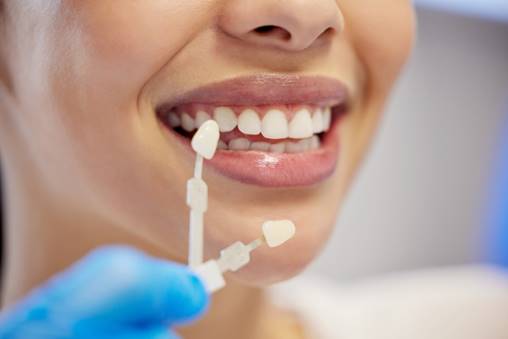
Veneers are thin, custom-made shells crafted from porcelain or composite resin that are bonded to the front surface of teeth. Designed to improve appearance, they mimic the natural look of enamel and can address a variety of dental flaws.

What Problems Do Veneers Fix?

Veneers are a go-to solution for many cosmetic concerns, including:

  • Discolored teeth that don’t respond to whitening
  • Chipped or cracked teeth
  • Uneven or misaligned teeth
  • Gaps between teeth
  • Worn-down enamel
  • Irregularly shaped teeth

Whether you’re aiming for a full smile makeover or correcting just a few imperfections, veneers provide a minimally invasive solution with stunning results.

Types of Veneers

  1. Porcelain Veneers

Highly durable and stain-resistant, porcelain veneers offer the most natural-looking results and typically last 10–15 years or more.

  1. Composite Resin Veneers

More affordable and quicker to apply, these veneers last 5–7 years and can often be done in a single visit.

The Veneer Procedure: What to Expect

Step 1: Consultation

Your dentist will assess your oral health, discuss your goals, and determine if you’re a candidate.

Step 2: Preparation

A small amount of enamel is removed from the tooth surface to ensure a proper fit. Impressions are then taken for your custom veneers.

Step 3: Placement

Once the veneers are ready, they’re bonded to your teeth with a strong adhesive and adjusted for perfect fit and comfort.

Some practices also offer no-prep or minimal-prep veneers, which require little to no enamel removal.

Are Veneers Permanent?

While veneers are not considered permanent, porcelain veneers are a long-term cosmetic solution, lasting over a decade with proper care. Because some enamel is removed during preparation, the procedure is not reversible.

Pros and Cons of Veneers

✅ Pros:

  • Natural appearance
  • Stain resistance (especially porcelain)
  • Fast cosmetic transformation
  • Boost in self-confidence

❌ Cons:

  • Irreversible (enamel is removed)
  • Not suitable for teeth with decay or gum disease
  • Can chip or break under excessive pressure
  • May need replacement after 10–15 years

How to Care for Veneers

To make your veneers last:

  • Brush twice daily with non-abrasive toothpaste
  • Floss daily
  • Avoid chewing hard items (ice, pens)
  • Limit staining foods and drinks (coffee, red wine)
  • Wear a mouthguard if you grind your teeth
  • Visit your dentist for regular cleanings and checkups

Are Veneers Right for You?

Veneers are ideal for patients with healthy teeth and gums who want to improve the look of their smile. However, they may not be suitable if you have:

  • Severe tooth decay
  • Gum disease
  • Insufficient enamel
  • Significant bite issues

Your dentist will help determine the best treatment based on your oral health and cosmetic goals.

Final Thoughts

Dental veneers are a powerful tool in modern cosmetic dentistry. Whether you’re looking to correct one tooth or completely transform your smile, veneers offer a natural, durable, and confidence-boosting solution.

What Is the Difference Between a Cap and a Crown?

When it comes to restoring damaged or decayed teeth, dental professionals often use terms like cap and crown interchangeably. However, many patients are left wondering: What is the difference between a cap and a crown? Are they two different dental procedures, or are they simply two names for the same thing?

In this detailed and informative blog, we will clarify the difference (if any) between a cap and a crown, when they are used, and how they benefit oral health.

What Is a Dental Cap?

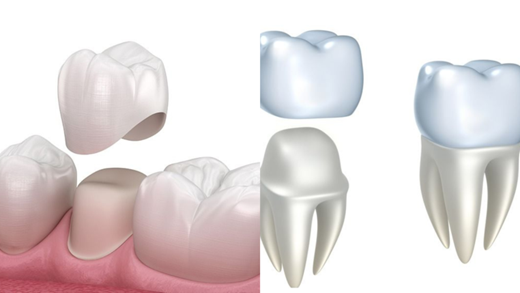
A dental cap is essentially a layman’s term for a dental crown. It is commonly used by non-dental professionals or patients when referring to a restoration that covers a damaged or decayed tooth. The term “cap” comes from the concept of capping or covering a tooth to protect it from further damage.

So, to put it simply: A cap and a crown are the same things. Dentists use the term crown, while many patients still refer to it as a cap.

Purpose of a Dental Cap (Crown)

A dental cap is designed to:

  • Restore a damaged tooth’s shape, size, and strength.
  • Enhance the tooth’s appearance.
  • Protect a weakened tooth from further decay or fracture.
  • Cover dental implants, large fillings, or a root canal-treated tooth.

Now that we’ve established that a cap and a crown are the same, let’s dive deeper into the purpose, materials, and types of dental crowns.

What Is a Dental Crown?

A dental crown is a tooth-shaped, custom-made cap that covers the entire visible part of a damaged or decayed tooth. It serves to restore the tooth’s functionality, strength, and appearance. Dentists primarily use the term crown in professional settings, while patients may casually refer to it as a cap.

Dental crowns are designed to mimic the natural appearance of your teeth while providing protection and stability.

When Is a Dental Cap (Crown) Needed?

Your dentist may recommend a dental crown (or cap) in the following situations:

  1. Large Cavities or Tooth Decay

If you have a large cavity that cannot be treated with a regular dental filling, a crown (cap) is used to cover and protect the tooth. This prevents further decay and restores normal tooth function.

  1. Root Canal Treatment

After a root canal treatment, the tooth becomes brittle and prone to fractures. A dental crown is placed over the treated tooth to restore its strength and function.

  1. Broken, Fractured, or Cracked Tooth

If you have a cracked or fractured tooth, a dental crown can hold the tooth together and prevent it from breaking further.

  1. Cosmetic Improvement

A dental crown can be used to improve the appearance of a discolored, misshapen, or misaligned tooth. Crowns provide a natural, aesthetically pleasing look.

  1. Dental Implants

For individuals who have undergone dental implant surgery, a crown (cap) is placed on top of the implant to replace the missing tooth.

  1. Tooth Wear Due to Grinding or Erosion

Patients who suffer from bruxism (teeth grinding) or severe enamel erosion may require dental crowns to restore the natural shape and functionality of their teeth.

Types of Dental Crowns (Caps)

Dental crowns come in various materials, and the choice depends on durability, aesthetics, and budget. Here are the most common types of crowns:

  1. Porcelain Crowns
  • Highly aesthetic and natural-looking.
  • Commonly used for front teeth.
  • Matches the color of natural teeth.
  • Slightly less durable than metal crowns.
  1. Metal Crowns (Gold or Silver)
  • Extremely durable and long-lasting.
  • Ideal for molars (back teeth) where chewing pressure is high.
  • Not as aesthetically pleasing.
  1. Porcelain-Fused-to-Metal (PFM) Crowns
  • Combines the strength of metal with the aesthetics of porcelain.
  • Provides a natural look with high durability.
  • Suitable for front and back teeth.
  1. Zirconia Crowns
  • Exceptionally durable and strong.
  • Highly aesthetic and resembles natural teeth.
  • Resistant to chipping or cracking.
  1. Resin Crowns
  • Less expensive than other materials.
  • Ideal for temporary crowns.
  • Not as durable for long-term use.

Is There Any Difference Between a Cap and a Crown?

No, there is no difference between a cap and a crown. The term cap is a colloquial term used by patients to describe the same thing that dentists refer to as a crown. Both terms describe the same dental restoration designed to cover and protect a damaged tooth.

However, the confusion often arises due to the different contexts in which the terms are used:

  • Patients: Often refer to it as a “cap” because it covers the tooth like a hat.
  • Dentists: Use the professional term “crown” in clinical settings.

Regardless of the term, the function and purpose remain the same.

How Long Do Dental Caps (Crowns) Last?

The lifespan of a dental crown depends on several factors, including the material used, oral hygiene, and general dental care. On average:

  • Porcelain crowns: Last 10-15 years with proper care.
  • Metal crowns: Last 15-20 years or more.
  • Zirconia crowns: Can last over 20 years.

Good oral hygiene and regular dental visits significantly increase the lifespan of your dental crown.

Conclusion

So, what is the difference between a cap and a crown? Nothing! A cap and a crown are simply two different terms for the same dental restoration. While patients often use the term “cap,” dental professionals refer to it as a crown. Regardless of what you call it, its primary purpose remains the same: to restore and protect your damaged tooth.

General Dentistry Explained: Services, Benefits, and Expert Insights

General dentistry plays a crucial role in maintaining oral health and overall well-being. It encompasses a wide range of preventive, diagnostic, and therapeutic services to ensure your teeth and gums stay healthy. In this comprehensive guide, we explore what general dentistry is, the services offered, and why regular visits are essential for a confident, radiant smile.

What Is General Dentistry?

General dentistry focuses on preventing, diagnosing, and treating oral health issues. Unlike specialists who focus on specific areas, general dentists provide comprehensive care for patients of all ages. They are your first line of defense against dental problems, ensuring long-term oral health through preventive care and timely intervention.

Key Services Offered in General Dentistry

  1. Routine Dental Exams and Cleanings
    • Dental Exams: Thorough examinations identify cavities, gum disease, and other potential issues.
    • Professional Cleanings: Remove plaque and tartar buildup, preventing decay and gum disease.
    • Oral Cancer Screenings: Early detection of abnormalities can save lives.
  2. X-Rays and Diagnostic Services
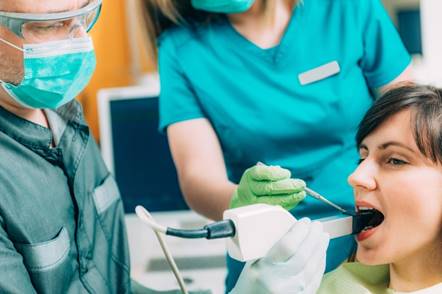
    • Digital X-Rays: Offer detailed images to detect hidden problems like impacted teeth or bone loss.
    • Intraoral Cameras: Provide a real-time view, helping patients understand their oral health.
  3. Restorative Procedures
    • Fillings: Used to repair cavities and prevent further decay.
    • Crowns and Bridges: Restore damaged or missing teeth, improving functionality and appearance.
    • Root Canal Therapy: Treats infected tooth pulp, saving the natural tooth.
  4. Cosmetic Dentistry
    • Teeth Whitening: Enhances the brightness of your smile.
    • Veneers: Correct chipped, discolored, or misshapen teeth for a flawless appearance.
  5. Preventive Dentistry
    • Fluoride Treatments: Strengthen tooth enamel, reducing the risk of cavities.
    • Dental Sealants: Protective coatings applied to molars to prevent decay.
    • Mouthguards: Custom-fit guards for sports or to prevent teeth grinding.
  6. Emergency Dental Care
    • Immediate treatment for toothaches, broken teeth, or other urgent dental issues.

Why Are Regular Dental Visits Important?

  • Early Detection and Prevention: Regular check-ups help detect cavities, gum disease, and oral cancer in their early stages, making treatment more manageable and less expensive.
  • Maintaining Oral Health: Professional cleanings remove plaque and tartar, preventing decay and gum disease.
  • Overall Health Connection: Poor oral health is linked to systemic conditions like heart disease, diabetes, and respiratory infections.

The Role of General Dentists: Your Oral Health Partners

General dentists do more than treat dental issues; they educate patients on maintaining optimal oral hygiene. From teaching proper brushing techniques to dietary advice, they empower patients to take control of their oral health.

Benefits of General Dentistry

  1. Comprehensive Care: From routine check-ups to complex restorations, all your dental needs are managed under one roof.
  2. Continuity of Care: Building a long-term relationship with your dentist helps track your oral health history, leading to personalized and effective treatments.
  3. Cost-Effective Prevention: Regular visits and preventive care reduce the need for expensive treatments in the future.
  4. Convenience and Comfort: One trusted dentist for the entire family streamlines scheduling and ensures a comfortable environment for children and adults alike.

How to Choose the Right General Dentist

  • Qualifications and Experience: Ensure the dentist is licensed and has the experience necessary to handle diverse dental issues.
  • Services Offered: Opt for a clinic that provides comprehensive services, including preventive, restorative, and cosmetic dentistry.
  • Technology and Equipment: A modern clinic with the latest diagnostic tools and treatment methods ensures accurate diagnoses and comfortable procedures.
  • Patient Reviews and Testimonials: Check online reviews to gauge patient satisfaction and the quality of care.
  • Insurance and Payment Options: Confirm the clinic accepts your insurance and offers flexible payment plans.

Expert Insights: Tips for Maintaining Oral Health

  1. Brush Twice Daily: Use a soft-bristled toothbrush and fluoride toothpaste.
  2. Floss Daily: Remove plaque and food particles between teeth to prevent gum disease.
  3. Limit Sugary Foods and Drinks: Reduce the risk of cavities by minimizing sugar intake.
  4. Stay Hydrated: Drinking water helps wash away food particles and bacteria.
  5. Avoid Tobacco Products: Smoking and chewing tobacco increase the risk of gum disease and oral cancer.
  6. Regular Dental Visits: Schedule check-ups every six months for cleanings and exams.

The Future of General Dentistry: Embracing Technology

Advancements in dental technology, such as digital X-rays, intraoral cameras, and 3D imaging, are revolutionizing general dentistry. These innovations enhance diagnostic accuracy, improve patient communication, and make procedures more comfortable and efficient.

Conclusion: Your Smile, Our Priority

General dentistry is the cornerstone of oral health, offering preventive care, accurate diagnostics, and effective treatments to keep your smile healthy and beautiful. Whether you need a routine check-up, cosmetic enhancement, or emergency care, general dentists provide comprehensive solutions tailored to your needs.

Regular visits to a trusted general dentist not only protect your oral health but also contribute to your overall well-being. Schedule an appointment today and take the first step towards a lifetime of healthy smiles!

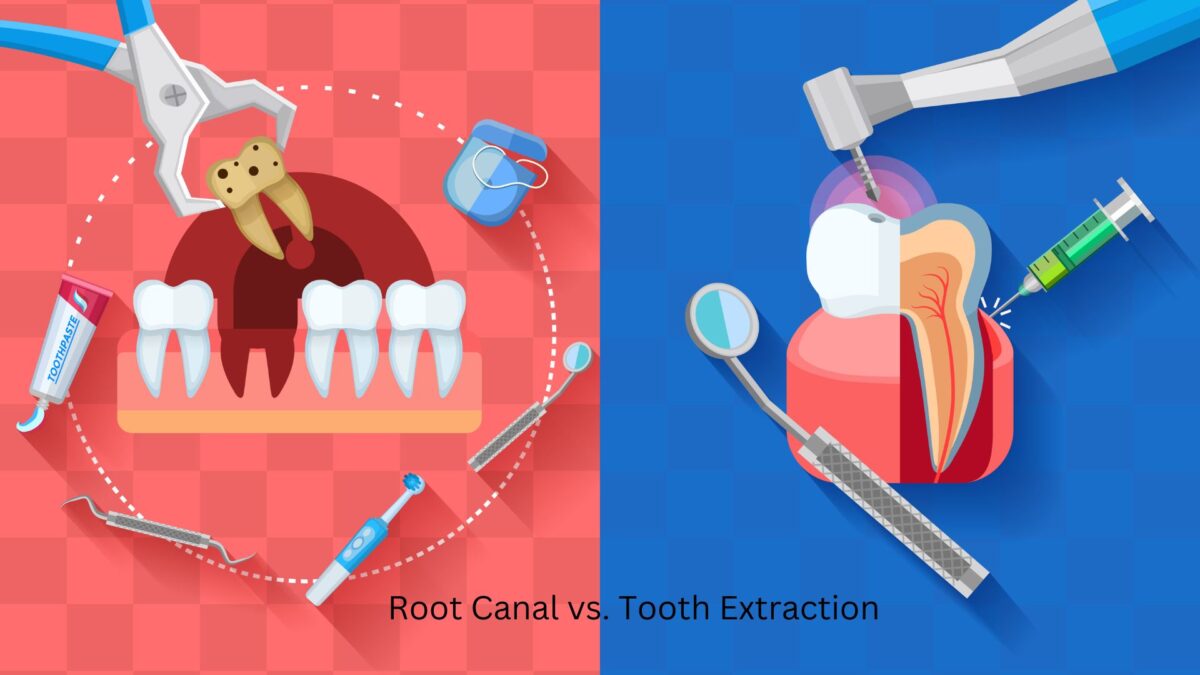
Root Canal vs. Tooth Extraction: Which Option is Best for You?

When faced with severe tooth pain or damage, you might find yourself weighing two common treatment options: root canal therapy or tooth extraction. This comprehensive guide will help you understand both procedures and their implications for your oral health.

Understanding Root Canal Treatment

Root canal therapy is a procedure that saves a severely damaged or infected tooth by removing the damaged pulp while preserving the natural tooth structure.

The Root Canal Process

  1. Diagnosis and X-rays
  • Dentist evaluates tooth damage
  • X-rays reveal extent of infection
  • Assessment of tooth’s salvageability
  1. Treatment Procedure
  • Local anesthesia administration
  • Removal of infected pulp
  • Cleaning and shaping of root canals
  • Filling with specialized material
  • Placement of temporary filling
  1. Final Restoration
  • Permanent crown placement
  • Protection of treated tooth
  • Restoration of full function

Understanding Tooth Extraction

Tooth extraction involves completely removing the damaged tooth from its socket in the bone.

The Extraction Process

  1. Evaluation Phase
  • X-rays and examination
  • Medical history review
  • Discussion of replacement options
  1. Procedure Steps
  • Local anesthesia administration
  • Tooth removal
  • Socket cleaning
  • Placement of sutures if needed
  1. Recovery Period
  • Blood clot formation
  • Healing of socket
  • Consideration of tooth replacement options

Comparing Costs

Root Canal Treatment:

  • Procedure cost: $700-$1,800 per tooth
  • Crown cost: $800-$1,700
  • Usually partially covered by insurance
  • One-time procedure if successful

Tooth Extraction:

  • Simple extraction: $150-$400
  • Surgical extraction: $300-$800
  • Replacement costs (if chosen):
    • Bridge: $2,500-$5,000
    • Implant: $3,000-$4,500
    • Partial denture: $1,500-$3,000

Recovery and Healing

Root Canal Recovery:

  • Minimal downtime
  • Normal activities next day
  • Mild discomfort for few days
  • Full function with permanent crown

Extraction Recovery:

  • 2-3 days initial healing
  • Soft food diet required
  • Longer overall recovery
  • Additional healing if implant chosen

Long-term Considerations

Root Canal Benefits:

  • Preserves natural tooth
  • Maintains jaw bone density
  • Prevents tooth shifting
  • Normal bite force maintained
  • Success rate over 95%

Extraction Implications:

  • Permanent tooth loss
  • Potential bone loss
  • Adjacent teeth may shift
  • May affect chewing ability
  • Requires replacement consideration

Making Your Decision

Consider These Factors:

  1. Tooth Location
  • Front teeth: aesthetic importance
  • Back teeth: chewing function
  • Space maintenance needs
  1. Overall Tooth Condition
  • Amount of healthy structure
  • Previous dental work
  • Root and bone health
  1. Financial Considerations
  • Insurance coverage
  • Immediate costs
  • Long-term expenses
  • Replacement costs
  1. Personal Preferences
  • Treatment time commitment
  • Comfort with procedures
  • Long-term oral health goals

When Root Canal is Best

Choose root canal if:

  • Significant healthy tooth structure remains
  • Infection is treatable
  • Tooth is restorable
  • Long-term preservation is priority
  • Budget allows for procedure and crown

When Extraction is Best

Consider extraction if:

  • Tooth is severely damaged
  • Extensive decay present
  • Fracture extends below gum line
  • Budget constraints exist
  • Quick resolution needed

Preventive Measures

Regardless of choice, prevent future issues:

  • Regular dental check-ups
  • Proper oral hygiene
  • Prompt treatment of decay
  • Protection of treated teeth
  • Regular professional cleanings

The choice between root canal and tooth extraction depends on various factors, including tooth condition, location, cost, and personal preferences. While root canals preserve natural teeth and maintain oral function, extractions might be necessary in cases of severe damage or when root canal treatment isn’t feasible.

Consult with your dentist to evaluate your specific situation and make an informed decision. Remember that both procedures are designed to eliminate pain and infection, improving your oral health. The best choice is one that aligns with your oral health needs, financial situation, and long-term dental goals.

Whichever option you choose, maintaining good oral hygiene and regular dental visits will help ensure the best possible outcome and prevent future dental issues.

4 Reasons Why Oral Health is Important for Children

Children are taught about health and its importance from an early age. However, oral health is often not given much priority. Dental issues also cause problems in many children, which can increase if not addressed soon. Some dental problems tend to remain untreated at childhood, which can cause issues in adulthood.

Dental checkups at regular intervals, plaque build-up, braces, etc. should be considered when discussing health. If you are still confused about why oral health is essential, keep reading. As we provide Pediatric Dentistry in San Antonio, we have listed four main reasons why oral health in children is critical. So let’s have a look at these reasons without further ado.

It Affects Their Overall Health

If a child’s oral health is bad, it can severely impact his/her overall health. After all, the mouth is a place that is an entry point to food, speaking, and smiling. It is an exposed organ of the body so it needs to be taken care of. Poor dental health may cause the child pain and discomfort, affect their self-esteem, and may even cause them embarrassment. For instance, if a child has crooked or cracked teeth, he/she may be hesitant to smile freely. Along with health, these issues also affect the confidence of a child.

Impacts on Cognitive Development

A kid’s cognitive development is really important. Poor dental hygiene is also linked with lower academic performance and impairs the child’s learning ability. If the toothache gets severe, it may be a reason for school absences. As per a report, 52% of children with dental issues have a higher risk of missing school and are 24% less likely to complete the remaining homework. So oral health also negatively affects the cognitive development of the child.

Can Lead to Chronic Diseases

By now, it is established that dental infection can lead to many chronic medical conditions including gum diseases and even cardiovascular diseases. Other conditions may include diabetes, heart conditions, and stroke. Good oral health is the foundation of living a healthy life so it is essential to teach kids to take care of their oral health early in life. Ensure you’re teaching your child to brush twice and tell them the importance of dental flossing from the beginning so that they follow these practices throughout their lives.

Prevents Other Diseases

Regular assessment of the teeth and gums in children helps detect many general health conditions like vitamin deficiencies, and acid reflux. So taking care of oral health not only helps in improving the overall health but also in detecting some underlying health conditions. If you are looking for the best dentist in San Antonio, feel free to reach out to us so that you can prevent your child’s health from deteriorating and make it better.

Conclusion

Hopefully, you now know the reasons to consider oral health as an essential factor in children’s health. Ensure you teach your children to follow dental hygiene practices and maintain them. If you still have any doubts, feel free to contact us. We have the best Pediatric Dentist in San Antonio. Our team of dentists will not only help children with dental issues but will also guide and give tips regarding the importance of oral health in children.

The Ever-Growing Significance of Pediatric Dentistry

Pediatric dentistry has been growing in relevance and significance with each passing day. All those who have a bunch of naughty kids at home will be aware of the importance of paying a visit to a pediatric dentist. Pediatric dentists in San Antonio are experienced and reliable to look into your child’s everyday dental problems. It is a given fact that children eat a lot of sweets (and other sugary foodstuffs). Therefore, their oral health and hygiene are likely to deteriorate at a rate of knots. However, the damage caused because of the excessive consumption of sugary foodstuffs can be reversed and minimized by visiting a reliable pediatric dentist.

Maintaining adequate oral hygiene is of utmost importance as well. A child’s oral hygiene can get deteriorated in the absence of adequate oral healthcare. However, even if your child’s oral health is intact, make it certain to visit a Pediatric Dentistry in San Antonio, without fail for regular dental appointments. In this way, you will be able to get your child’s oral problems treated while they are still less complicated.

Why is Pediatric Dentistry Required and Relevant?

  • Pediatric dentistry is important and relevant because it deals with the dental problems that ail children.
  • Dental cavities and tooth decay are both a common sight in children and teenagers, thanks in part to their eating habits.
  • Malocclusion can occur in children because of childhood habits, such as thumb-sucking. These problems can only be treated by paying a visit to a reliable pediatric dentist.
  • Also, the idea behind taking your kids to see a pediatric dentist is quite simple. You want your kids to get used to dental health procedures at a young age. Such a practice will also enable them to understand (and realize) the importance of dental health check-ups.
  • A dentist in San Antonio TX will be able to help your child in getting rid of the pacifier. Using a pacifier after the age of two can cause dental misalignments, such as overbites and underbites.
  • Usually, a child’s milky teeth tend to fall at the age of six or seven. This is the time when the permanent teeth begin emerging. These teeth need a great deal of care. This is exactly where a pediatric dentist will end up barging into the scheme of things. A children’s dentist will help your kids with dental care and the maintenance of oral hygiene.
  • A pediatric dentist will hold a meeting with the child and his parents before getting on with a dental procedure. Every single thing that a pediatric dentist undertakes is planned. There are no loose ends.
  • The most common dental procedures involving children are cavity fillings, treatment of misaligned teeth, gingivitis, thumb sucking, etc.
  • The idea behind carrying out pediatric dentistry procedures is fairly simple: to help improve a child’s oral health and hygiene in the long run.

Take your child to see a pediatric dentist in San Antonio pediatric dentistry as soon as he complains of toothache (or any other dental problem). It is important to get the dental discrepancies sorted whilst they are still in their infancy. In this way, you will be able to stem the tide before it intensifies. Even if your child’s health is intact, you can take him for an oral health checkup. Even a slight dental issue will be cured immediately by a pediatric dentist. So, do not wait for the problem to worsen. Act now and get it sorted as soon as you possibly can.