Beyond the Cleaning: The Crucial Role of Screenings in General Dentistry

When most people think about visiting the dentist, the first thing that comes to mind is teeth cleaning. While professional cleanings are essential for maintaining oral hygiene, they represent only one part of what general dentistry offers. Behind every check-up lies a deeper layer of preventive care — one that involves detailed screenings designed to detect early signs of dental and overall health issues. These screenings play a crucial role in ensuring long-term wellness, often identifying problems before they become painful, costly, or even life-threatening.

The Broader Purpose of a Dental Visit

A routine dental appointment is not just about polishing your teeth; it’s a comprehensive health check for your mouth, gums, and jaw. During your visit, your dentist and hygienist work together to assess your oral health, identify potential risks, and ensure that your smile remains both healthy and functional. Screenings are an integral part of this process — they are designed to catch subtle warning signs that you might not notice yourself.

What Are Dental Screenings?

Dental screenings refer to the diagnostic evaluations performed during your check-up to identify early symptoms of oral diseases or structural problems. These can include visual inspections, X-rays, digital scans, and assessments of your gums, bite, and oral tissues. The goal is to find issues before they escalate.

Common screenings performed in general dentistry include:

  • Oral Cancer Screening: Examining soft tissues for abnormal patches, lesions, or sores.
  • Periodontal (Gum) Disease Screening: Checking for gum inflammation, bleeding, or bone loss.
  • Tooth Decay Detection: Identifying early cavities or weakened enamel.
  • Bite and Jaw Assessment: Evaluating alignment and TMJ (temporomandibular joint) health.
  • Digital X-rays: Revealing problems below the surface, like impacted teeth or bone loss.

These screenings form the foundation of preventive dentistry — helping you maintain not just a beautiful smile, but also your overall health.

The Importance of Early Detection

Early detection is the cornerstone of effective dental care. Many oral diseases begin quietly, showing no pain or visible symptoms until significant damage has occurred. Regular screenings allow dentists to spot these issues in their earliest stages, enabling prompt and less invasive treatment.

For instance, detecting gum disease early can prevent tooth loss and reduce the risk of systemic conditions linked to it, such as heart disease and diabetes. Similarly, identifying precancerous lesions during an oral cancer screening can be life-saving.

Oral Cancer Screenings: A Life-Saving Measure

One of the most critical screenings your dentist performs is for oral cancer. This condition can develop in the lips, tongue, cheeks, or throat and often goes unnoticed in its early stages. During a routine check-up, your dentist examines your mouth for any irregularities, including red or white patches, lumps, or sores that don’t heal.

According to research, oral cancer has a much higher survival rate when detected early. That’s why your biannual dental visits are more than just maintenance — they are preventive health measures that can make a real difference.

Gum Disease Screenings: Protecting the Foundation of Your Smile

Your gums are the foundation that holds your teeth in place. Periodontal disease, if left untreated, can lead to gum recession, tooth mobility, and eventually tooth loss. Beyond the mouth, it has been linked to systemic conditions like cardiovascular disease and complications during pregnancy.

During a gum disease screening, your dentist uses a periodontal probe to measure pocket depths around your teeth and checks for signs of inflammation or bleeding. Early gum disease (gingivitis) can often be reversed with professional cleaning and improved home care, while advanced stages (periodontitis) may require specialized treatments.

Tooth Decay Detection: Saving Teeth Before It’s Too Late

Even the smallest cavity can grow into a painful and costly problem if ignored. Dental screenings often include visual examinations, bitewing X-rays, and cavity detection tools that help identify decay before it penetrates deep into the tooth. Early intervention means simpler fillings instead of root canals or crowns later on.

Additionally, dentists use these screenings to monitor areas prone to decay and guide you on preventive measures, such as fluoride treatments or sealants, especially for children and teens.

Screening for Bite and Jaw Issues

Your dentist also evaluates your bite alignment and jaw function during regular visits. Conditions like bruxism (teeth grinding), TMJ disorders, or malocclusion (improper bite) can cause headaches, jaw pain, and uneven tooth wear. Early detection allows for preventive solutions like night guards, orthodontic adjustments, or bite therapy, helping maintain long-term oral harmony.

Digital X-Rays: Seeing Beyond the Surface

While visual inspections are crucial, not all dental problems are visible to the naked eye. Digital X-rays provide a detailed view of what’s happening beneath the surface — including bone health, impacted teeth, hidden cavities, and infection in the tooth roots. Modern digital technology exposes you to minimal radiation and delivers instant, high-resolution images for accurate diagnosis.

The Connection Between Oral and Overall Health

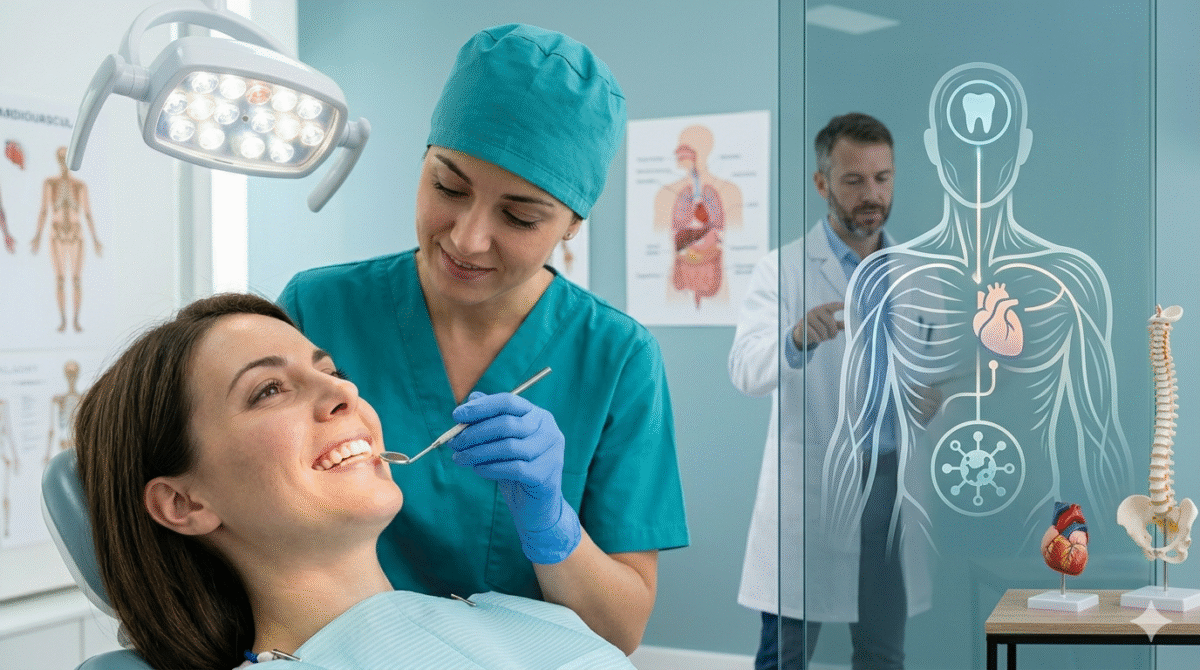
Modern dentistry recognizes the strong link between oral health and general health. Screenings don’t just protect your teeth — they can also provide early warnings for conditions affecting your entire body. For example:

  • Diabetes: Gum inflammation or delayed healing can signal uncontrolled blood sugar.
  • Heart Disease: Periodontal disease has been associated with an increased risk of heart problems.
  • Osteoporosis: Bone loss in the jaw detected on X-rays can indicate early signs of this condition.
  • Sleep Apnea: Dentists can detect airway restrictions or jaw structure issues contributing to sleep disorders.

By identifying these signs early, your dentist can refer you for medical follow-up, bridging the gap between oral care and overall wellness.

Why Regular Screenings Shouldn’t Be Skipped

It can be tempting to postpone dental visits, especially if your teeth look and feel fine. However, skipping your screenings can allow minor problems to develop into major ones. Dental screenings act as an early warning system — they catch potential issues long before you notice symptoms.

Regular screenings are especially important if you:

  • Have a history of gum disease or tooth decay
  • Use tobacco or consume alcohol frequently
  • Have medical conditions like diabetes
  • Experience chronic bad breath or mouth dryness
  • Notice any unusual changes in your mouth

Your dentist tailors these screenings based on your age, health history, and risk factors, ensuring comprehensive preventive care.

How to Make the Most of Your Dental Screenings

To get the best results from your dental screenings:

  1. Maintain regular visits: Most dentists recommend check-ups every six months.
  2. Share your medical history: Some oral issues can be linked to medications or health conditions.
  3. Ask questions: Understanding your screening results helps you stay proactive.
  4. Follow through on recommendations: If your dentist suggests additional tests or treatments, address them early.

Being consistent with dental visits helps your dentist track subtle changes over time — a key advantage in preventing long-term damage.

Beyond the cleaning, dental screenings form the backbone of preventive care in general dentistry. They do more than just protect your smile — they safeguard your overall health. Every examination, X-ray, and screening helps your dentist detect issues early, ensuring timely intervention and peace of mind.

So, the next time you schedule a “routine cleaning,” remember that your appointment is far more significant than it seems. It’s an investment in your long-term health and well-being — one that can prevent pain, protect your smile, and even save your life.

How to Manage Tooth Sensitivity Effectively

Tooth sensitivity is one of the most common dental problems, affecting millions of people worldwide. If you’ve ever felt a sharp, sudden pain in your teeth while drinking something cold, eating something sweet, or even breathing in chilly air, you’ve experienced tooth sensitivity. While it might seem like a minor annoyance, persistent sensitivity can signal underlying dental issues that need attention.

The good news is that tooth sensitivity can be managed—and even prevented—with the right care and treatment. Let’s understand what causes sensitivity, how to relieve it, and when to visit your dentist.

What Causes Tooth Sensitivity?

Tooth sensitivity occurs when the protective layers of your teeth—enamel (on the crown) or cementum (on the root)—are worn down, exposing the inner layer called dentin. Dentin contains tiny tubules that lead directly to the tooth’s nerve center (the pulp). When these tubules are exposed, stimuli like heat, cold, or pressure can reach the nerves, causing sharp pain or discomfort.

Here are some of the most common causes of tooth sensitivity:

  • Enamel Erosion: Frequent consumption of acidic foods and drinks like soda, citrus fruits, and vinegar-based products can erode enamel over time.
  • Aggressive Brushing: Brushing too hard or using a hard-bristled toothbrush can wear down enamel and irritate the gums.
  • Gum Recession: When gums pull back, they expose the tooth roots, which don’t have protective enamel.
  • Tooth Decay: Cavities and worn fillings can expose the sensitive parts of the tooth.
  • Teeth Grinding (Bruxism): Clenching or grinding your teeth can wear away enamel and cause sensitivity.
  • Recent Dental Procedures: Temporary sensitivity is common after treatments like whitening, fillings, or cleanings.
  • Cracked or Chipped Teeth: Damage to the enamel allows stimuli to reach the nerves inside the tooth.

Understanding the root cause of your sensitivity helps determine the most effective treatment plan.

Signs and Symptoms of Tooth Sensitivity

While most people associate tooth sensitivity with pain, the symptoms can vary. You may experience discomfort when:

  • Drinking cold, hot, or sweet beverages
  • Eating sour or sugary foods
  • Brushing or flossing your teeth
  • Breathing in cold air

The pain can range from mild tingling to sharp, shooting sensations that last only a few seconds. If your discomfort persists or worsens over time, it’s essential to visit a dentist for an evaluation.

Effective Ways to Manage Tooth Sensitivity

Tooth sensitivity doesn’t always require complex treatment—sometimes, simple changes in your daily routine can bring significant relief.

1. Use Desensitizing Toothpaste

Desensitizing toothpaste is one of the easiest and most effective ways to reduce sensitivity. It contains compounds like potassium nitrate or stannous fluoride that block the pathways from the tooth surface to the nerve. Use it daily for several weeks to see improvement.

2. Switch to a Soft-Bristled Toothbrush

Brushing with a hard-bristled toothbrush or excessive force can wear away enamel and cause gum recession. Opt for a soft-bristled toothbrush and brush gently in circular motions.

3. Avoid Acidic Foods and Beverages

Limit your intake of acidic items such as soda, wine, citrus fruits, tomatoes, and vinegar-based foods. If you do consume them, rinse your mouth with water afterward to neutralize the acids.

4. Practice Proper Oral Hygiene

Good oral hygiene prevents plaque buildup, which can lead to enamel erosion and gum problems. Brush twice a day, floss daily, and rinse with a fluoride mouthwash to strengthen enamel.

5. Use a Fluoride Mouthwash

Fluoride helps rebuild weakened enamel and reduces sensitivity over time. Choose an alcohol-free fluoride rinse for daily use to protect your teeth and gums.

6. Avoid Teeth Grinding

If you grind your teeth at night, ask your dentist about a custom night guard. This protective device prevents further enamel wear and protects against tooth fractures.

7. Treat Gum Recession or Tooth Damage

If your sensitivity is caused by gum recession, your dentist may recommend a gum grafting procedure to cover exposed roots. For damaged teeth, bonding or crown placement can help protect the affected area.

8. Get Professional Fluoride Treatments

Your dentist can apply a concentrated fluoride gel or varnish to your teeth to strengthen enamel and reduce pain sensitivity. This quick and painless treatment can provide long-lasting relief.

9. Rinse with Salt Water

A natural home remedy for sensitivity and inflammation is rinsing with warm salt water. It helps balance pH levels in your mouth and reduces bacteria. Mix half a teaspoon of salt in a glass of warm water and rinse twice daily.

10. Maintain Regular Dental Visits

Regular dental checkups are crucial for identifying and addressing sensitivity early. Your dentist can detect issues like cavities, gum disease, or enamel erosion before they worsen.

When to See a Dentist

If tooth sensitivity lasts for more than a week or becomes severe, it’s time to consult a dentist. Persistent sensitivity could indicate:

  • Tooth Decay or Cavity
  • Cracked or Damaged Tooth
  • Infected Pulp (requiring Root Canal Treatment)
  • Advanced Gum Disease

Your dentist will perform a detailed examination and may take X-rays to identify the cause. Depending on the diagnosis, treatment options can include:

  • Fluoride application
  • Dental bonding
  • Gum grafting
  • Root canal therapy (for severe nerve exposure)

Preventing Tooth Sensitivity: Long-Term Care Tips

Prevention is always better than cure. Here are a few ways to keep sensitivity at bay:

  • Brush gently twice a day with fluoride toothpaste.
  • Floss daily to remove plaque between teeth and along the gum line.
  • Use a straw when drinking acidic or cold beverages to minimize contact with your teeth.
  • Avoid excessive whitening treatments or choose professional whitening under supervision.
  • Eat a balanced diet rich in calcium and vitamin D to strengthen teeth.
  • Avoid smoking or using tobacco products—they contribute to gum recession and enamel damage.

Can Tooth Sensitivity Go Away?

Mild tooth sensitivity often improves with consistent care and desensitizing toothpaste. However, if sensitivity results from deeper issues like tooth decay, gum recession, or cracks, professional treatment is essential. The key is to act early—addressing the cause before it leads to more serious dental problems.

Tooth sensitivity can make everyday activities like eating or drinking uncomfortable, but it doesn’t have to be a lifelong issue. With the right dental hygiene habits, dietary changes, and professional care, you can manage and even eliminate sensitivity effectively.

If you’re struggling with sensitive teeth, don’t ignore the signs—schedule an appointment with your dentist. They can help identify the cause and recommend a personalized treatment plan to restore comfort and protect your smile for years to come.

Myths and Facts About Cosmetic Dentistry: What You Should Know

A beautiful smile can change the way you feel about yourself and the way others see you. But despite its growing popularity, cosmetic dentistry is still surrounded by myths and misconceptions. Many people believe it’s only for celebrities, too expensive, or even damaging to natural teeth.

The truth is, cosmetic dentistry is more accessible, safe, and versatile than ever before. If you’ve been holding back from improving your smile because of something you’ve heard, this blog will help clear up the confusion.

Let’s break down the most common myths about cosmetic dentistry—and uncover the real facts.

Myth 1: Cosmetic Dentistry Is Only for Celebrities

Fact: Cosmetic dentistry is for everyone.

While it’s true that Hollywood actors and influencers invest in cosmetic dentistry, these treatments are not exclusive to the rich and famous. Many everyday people seek cosmetic dentistry to correct chipped teeth, close gaps, whiten stained teeth, or improve alignment.

With options ranging from affordable teeth whitening to advanced veneers, cosmetic dentistry can be customized to fit different budgets and goals.

Myth 2: Cosmetic Dentistry Is Just About Looks

Fact: It also improves oral health and functionality.

Cosmetic procedures do more than enhance appearances. For example:

  • Veneers can protect teeth from further damage.

  • Crowns restore strength to weakened teeth.

  • Orthodontic aligners improve bite alignment and reduce jaw strain.

  • Dental implants prevent bone loss after tooth loss.

So, cosmetic dentistry combines aesthetics with functionality—giving you a healthier smile that works better too.

Myth 3: Cosmetic Dentistry Damages Your Natural Teeth

Fact: Modern cosmetic dentistry is minimally invasive and preserves your natural teeth.

In the past, certain treatments like traditional crowns required significant reshaping of the tooth. Today, advanced techniques and materials allow dentists to keep most of the natural tooth structure intact.

For example:

  • Veneers are ultra-thin and require minimal enamel removal.

  • Bonding uses composite resin applied directly to the tooth without drilling.

  • Teeth whitening is safe when performed under professional supervision.

Your dentist’s goal is to enhance your smile while keeping your natural teeth healthy and strong.

Myth 4: Cosmetic Dentistry Is Too Expensive

Fact: There are affordable options for every budget.

It’s easy to assume that cosmetic treatments come with a high price tag, but many procedures are surprisingly cost-effective.

  • Professional teeth whitening is one of the most affordable cosmetic options.

  • Composite bonding is less expensive than veneers or crowns.

  • Flexible payment plans and financing options make advanced treatments more accessible.

Think of cosmetic dentistry as an investment in your confidence, social interactions, and even career opportunities.

Myth 5: Teeth Whitening Weakens or Ruins Enamel

Fact: Professional teeth whitening is safe and effective.

One of the biggest fears patients have is that whitening will damage their enamel. Over-the-counter whitening products can sometimes cause sensitivity if misused, but professional whitening is carefully controlled.

Dentists use safe concentrations of whitening agents and apply protective barriers to keep gums safe. When done correctly, teeth whitening brightens your smile without harming enamel.

Myth 6: Braces Are the Only Way to Fix Crooked Teeth

Fact: There are multiple cosmetic options for alignment.

While traditional braces are effective, they’re not the only way to achieve a straighter smile. Today’s alternatives include:

  • Clear Aligners (like Invisalign): Nearly invisible and removable.

  • Veneers: Can cover minor misalignments and instantly improve appearance.

  • Bonding: Fixes small gaps or uneven edges quickly.

Your dentist can recommend the best solution depending on the severity of your alignment issues.

Myth 7: Cosmetic Dentistry Results Look Fake

Fact: Modern techniques deliver natural-looking results.

Gone are the days of oversized, blindingly white teeth that looked artificial. With advancements in dental materials and technology, cosmetic dentistry now focuses on creating smiles that look natural and complement your facial features.

  • Veneers are customized in shape, size, and shade.

  • Bonding is color-matched to your natural teeth.

  • Crowns and implants are designed to blend seamlessly.

The goal isn’t perfection—it’s a healthier, more confident version of your natural smile.

Myth 8: Cosmetic Dentistry Is Painful

Fact: Most procedures are comfortable and involve minimal discomfort.

Thanks to modern anesthesia and advanced techniques, cosmetic dentistry is much more comfortable than people think.

  • Teeth whitening may cause temporary sensitivity, but it usually subsides in 24–48 hours.

  • Veneers and bonding are minimally invasive and typically painless.

  • For crowns or implants, local anesthesia ensures you remain comfortable during the procedure.

Patients are often surprised at how quick and easy many treatments are.

Myth 9: Cosmetic Dentistry Is Only for Adults

Fact: Teens and younger patients can benefit too.

While not all cosmetic procedures are suitable for children, certain treatments are safe and effective for younger patients. For example:

  • Orthodontics (braces or aligners) are commonly started in the teen years.

  • Bonding can repair chipped teeth after sports injuries.

  • Whitening may be an option for older teens under professional supervision.

Your dentist will ensure treatments are age-appropriate and safe.

Myth 10: Results Don’t Last Long

Fact: With proper care, cosmetic treatments can last many years.

The longevity of cosmetic dentistry depends on the type of treatment and how well you care for your teeth:

  • Veneers last 10–15 years with good care.

  • Crowns and implants can last decades.

  • Professional whitening results can last up to 2–3 years, depending on diet and habits.

Maintaining regular dental visits, brushing, flossing, and avoiding stain-causing foods or smoking will extend the life of your cosmetic treatments.

Why Cosmetic Dentistry Is Worth Considering

Cosmetic dentistry isn’t about vanity—it’s about confidence, health, and quality of life. A brighter, healthier smile can:

  • Improve your self-esteem.

  • Enhance personal and professional relationships.

  • Motivate you to take better care of your oral health.

  • Restore functionality for better chewing and speaking.

Far from being just an “extra,” cosmetic dentistry can make a meaningful impact on your overall well-being.

Final Thoughts

Cosmetic dentistry has come a long way, yet myths still hold many people back from exploring it. The truth is, treatments are safe, effective, and designed to preserve your natural teeth while enhancing your smile.

Whether you’re interested in whitening, veneers, bonding, or orthodontics, the best first step is to consult with a trusted dentist who can recommend the right treatment for your needs.

Don’t let myths stop you from achieving the smile you deserve.

How to Prepare Your Jawbone for Dental Implants ?

Dental implants are one of the most advanced and natural-looking solutions for replacing missing teeth. But not everyone is an immediate candidate. In many cases, your jawbone needs preparation before an implant can be safely and successfully placed.

If you’ve been told that you need bone grafting or other pre-implant procedures, don’t worry—you’re not alone. According to the American Academy of Implant Dentistry, more than 500,000 people receive dental implants each year in the U.S., and many of them need jawbone preparation first.

In this article, we’ll explore why jawbone preparation is important, what procedures might be involved, and how to get your mouth in top shape before receiving your implants.

🦴 Why Does Your Jawbone Matter for Dental Implants?

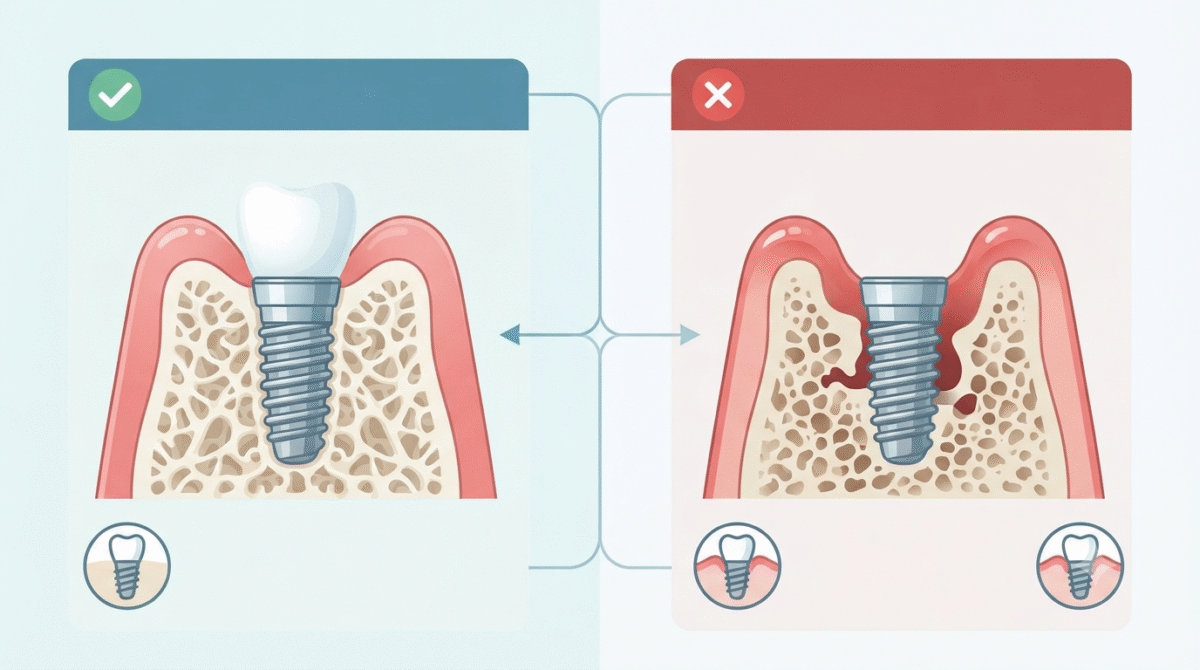
Dental implants are small, screw-like titanium posts that are surgically placed into your jawbone. Once healed, the implant fuses with the bone in a process called osseointegration, providing a stable base for:

  • Crowns
  • Bridges
  • Dentures

But for this fusion to occur, there must be enough healthy bone to support the implant. If the bone is too thin, soft, or has deteriorated due to tooth loss, disease, or trauma, your implant may fail or become loose over time.

That’s where jawbone preparation comes in.

📉 What Causes Bone Loss in the Jaw?

There are several reasons your jawbone may be too weak or small for an implant:

  1. Tooth loss

When a tooth is missing, the jawbone beneath it begins to shrink due to lack of stimulation. This can start just months after extraction.

  1. Gum disease (periodontitis)

Advanced gum disease can erode bone structure, making it unstable for implants.

  1. Injury or trauma

Accidents can damage both teeth and the underlying jawbone.

  1. Developmental issues

Some people are born with thinner jawbones or irregular bone structure.

✅ Signs You May Need Jawbone Preparation

  • You’ve been missing teeth for a long time
  • Your dentist said there’s “not enough bone” on your X-rays or 3D scan
  • You’ve had advanced gum disease
  • You want full-mouth dental implants (All-on-4 or similar)

If any of the above apply, your dentist or oral surgeon will recommend one or more pre-implant procedures to rebuild and strengthen the jaw.

🔧 Common Jawbone Preparation Procedures

Here are the most common techniques used to prepare your jaw for implants:

🦴 1. Bone Grafting

This is the most common procedure for implant preparation.

What is it?

Bone grafting involves adding new bone material to areas of the jaw that have become thin or soft. The bone can come from:

  • Your own body (usually the chin or hip)
  • A donor (human or animal bone)
  • Synthetic material

How it works:

  • Graft material is placed in the jawbone
  • The area is sutured and left to heal
  • Over 3–6 months, the graft fuses with your natural bone
  • Once stable, the implant can be placed

Bone grafting can be minor or extensive, depending on how much bone is missing.

️ 2. Sinus Lift (Sinus Augmentation)

Needed when the upper jaw (back molars) lacks bone height due to the proximity of the sinus cavity.

What is it?

A sinus lift raises the sinus floor and places bone graft material underneath to create space for the implant.

Healing time:

  • Typically 4–9 months before implant placement

🦷 3. Ridge Expansion

Used when the jaw is too narrow for implant placement.

What is it?

A special tool is used to split the jawbone ridge, creating a small gap. Bone graft material is added, and the area is left to heal. In some cases, implants can be placed at the same time.

🛠️ 4. Distraction Osteogenesis

A more advanced procedure used for extreme bone loss, often in trauma or congenital cases.

What is it?

The bone is gradually stretched using a specialized device, encouraging new bone to grow in the gap. This is usually reserved for complex reconstructions.

🧠 What to Expect During the Preparation Process

While jawbone preparation may sound intense, these procedures are routine and highly successful when performed by an experienced oral surgeon or periodontist.

Here’s a general timeline:

  1. Initial consultation with 3D scans/X-rays
  2. Treatment planning and discussion of options
  3. Pre-implant surgery (bone graft, sinus lift, etc.)
  4. Healing phase (3–9 months depending on procedure)
  5. Implant placement once bone is strong and stable

Throughout the process, your dentist will monitor healing and adjust the timeline as needed.

🩺 How to Support Jawbone Health Before and After Surgery

✅ Do:

  • Eat a nutrient-rich diet with calcium and vitamin D
  • Avoid smoking or vaping, which impairs healing
  • Follow all post-op instructions carefully
  • Keep up with oral hygiene to prevent infection

❌ Don’t:

  • Delay treatment if your dentist recommends bone grafting
  • Attempt DIY or alternative treatments
  • Ignore signs of gum disease or dental pain

Dental implants are life-changing—but their success depends heavily on the foundation they’re placed into. Preparing your jawbone with the right procedure increases your chances of:

  • Long-lasting implant success
  • Stronger, healthier bone
  • Better cosmetic results

If your dentist or oral surgeon recommends jawbone preparation, it’s not a setback—it’s a step forward to ensure your smile is stable, functional, and beautiful for decades to come.

Teeth Whitening Options for a Picture-Perfect Smile

A bright, white smile can boost confidence, enhance your appearance, and leave a lasting impression. Over time, teeth can become stained or discolored due to factors like coffee, tea, wine, smoking, or natural aging. Fortunately, modern dentistry offers a range of teeth whitening options to restore your smile. This guide explores the most effective whitening solutions and helps you choose the best approach for a picture-perfect smile.

Why Teeth Whitening Matters

Your teeth are one of the first things people notice. Discolored teeth can affect self-esteem, while a whiter smile is often associated with health, vitality, and youthfulness. Teeth whitening is not just cosmetic—it can also motivate better oral hygiene habits and encourage regular dental care.

Professional Teeth Whitening Options

Professional whitening treatments are performed by dentists and provide the fastest and most dramatic results.

  1. In-Office Whitening

In-office whitening is a quick and highly effective procedure performed in a dental clinic. Dentists use professional-grade bleaching agents, often activated by specialized lights or lasers, to remove deep stains.

Benefits:

  • Immediate results, often several shades lighter in one session.
  • Supervised by dental professionals to ensure safety.
  • Targets tough stains that over-the-counter products cannot remove.

Considerations:

  • Usually more expensive than at-home options.
  • May cause temporary tooth sensitivity.
  1. Custom Take-Home Trays

Dentists can create custom-fitted trays and provide professional-strength whitening gel for home use. These trays ensure even application and reduce the risk of gum irritation.

Benefits:

  • Gradual whitening for natural-looking results.
  • Convenient to use at home.
  • Safer than generic whitening kits because of custom fit.

Considerations:

  • Requires consistent use over several days or weeks.
  • Slight sensitivity may occur in some patients.

Over-the-Counter Whitening Options

For those seeking a more budget-friendly approach, over-the-counter products can be effective for mild staining.

  1. Whitening Toothpaste

Whitening toothpaste contains mild abrasives and polishing agents that remove surface stains. While they won’t change the natural color of teeth dramatically, they help maintain results after professional whitening.

Tips:

  • Use twice daily for best results.
  • Look for toothpaste with the American Dental Association (ADA) Seal of Acceptance.
  1. Whitening Strips

Whitening strips are thin, flexible plastic coated with a peroxide-based whitening gel. They are applied directly to the teeth and left in place for a specified time.

Benefits:

  • Affordable and widely available.
  • Can lighten teeth by a few shades over a couple of weeks.

Considerations:

  • May cause gum irritation if not applied carefully.
  • Results are less dramatic than professional treatments.
  1. Whitening Rinses

Whitening mouth rinses contain hydrogen peroxide and can gradually reduce surface stains. They are easy to incorporate into a daily routine.

Benefits:

  • Simple to use alongside brushing and flossing.
  • Helps maintain a bright smile after whitening treatments.

Considerations:

  • Slower and less noticeable results compared to other methods.

Tips for Maintaining a White Smile

After whitening your teeth, it’s important to maintain your results:

  • Avoid Staining Foods and Drinks: Limit coffee, tea, red wine, and dark-colored sauces.
  • Quit Smoking: Tobacco products cause significant staining.
  • Practice Good Oral Hygiene: Brush twice daily, floss, and use mouthwash.
  • Regular Dental Visits: Professional cleanings help prevent new stains and maintain overall oral health.

Choosing the Right Option for You

Selecting the best teeth whitening method depends on your goals, budget, and the condition of your teeth. For fast and dramatic results, in-office whitening is ideal. For gradual improvement at home, custom trays or over-the-counter products can be effective. Consulting your dentist before starting any whitening treatment ensures safety, especially if you have sensitive teeth, dental restorations, or gum issues.

Final Thoughts

A brighter smile can transform your appearance and boost your confidence. With a variety of teeth whitening options available—from professional in-office treatments to convenient at-home solutions—achieving a picture-perfect smile has never been easier.

By combining effective whitening techniques with proper oral hygiene and regular dental care, you can maintain a radiant, healthy smile for years to come. Whether you choose a professional treatment at your dentist’s office or a trusted over-the-counter solution, the key is consistency, care, and consultation with a dental professional to ensure the best results.

Partial vs. Full Dentures: Which Is Right for You?

Tooth loss can impact more than just your smile—it affects how you eat, speak, and feel. Whether you’re missing one tooth or many, dentures offer a practical, natural-looking solution. But when it comes to restoring your smile, choosing between partial and full dentures is a crucial decision.

Understanding the differences between the two can help you make an informed choice and improve your quality of life. Let’s explore the key features, benefits, and factors to consider when deciding whether partial or full dentures are right for you.

What Are Dentures?

Dentures are removable dental appliances designed to replace missing teeth and surrounding tissues. They restore the structure, function, and aesthetics of your mouth, helping you chew properly, speak clearly, and smile with confidence.

Modern dentures are crafted from high-quality materials like acrylic resin and porcelain, offering a more natural appearance and comfortable fit than older versions.

What Are Full Dentures?

Full dentures, also known as complete dentures, are used when all teeth are missing in either the upper or lower jaw—or both. These prosthetics rest directly on the gums and are customized to resemble natural teeth.

Key Features of Full Dentures:

  • Replace an entire arch of teeth
  • Typically held in place with suction or adhesive
  • May require a healing period after extractions before final fitting
  • Can be conventional or immediate (placed right after tooth removal)

Advantages:

  • Complete restoration of appearance and function
  • Improved facial support and symmetry
  • Cost-effective compared to implants
  • Non-invasive and easy to maintain

Full dentures are ideal for individuals who have lost most or all of their natural teeth due to decay, gum disease, or trauma.

What Are Partial Dentures?

Partial dentures are used when some natural teeth remain in the upper or lower jaw. They consist of one or more artificial teeth attached to a gum-colored base, often held in place with clasps that anchor to surrounding teeth.

Key Features of Partial Dentures:

  • Fill in gaps caused by missing teeth
  • Preserve remaining natural teeth
  • Removable and easy to clean
  • Can be made of metal, flexible resin, or acrylic

Advantages:

  • Maintains tooth alignment by preventing shifting
  • Helps with chewing and speech
  • Less invasive than bridges or implants
  • Often more affordable than fixed dental restorations

Partial dentures are an excellent solution if you have several missing teeth but still retain healthy natural ones.

Key Differences: Partial vs. Full Dentures

Feature Partial Dentures Full Dentures
Purpose Replace some missing teeth Replace all teeth in an arch
Support Relies on remaining teeth Rests directly on gums
Materials Often includes metal framework Typically acrylic or porcelain
Cost Usually less expensive Can be more depending on type
Fit Stability Anchored to natural teeth May require adhesives
Removability Removable Removable

Understanding these distinctions helps clarify which type may better suit your dental condition and lifestyle.

Factors to Consider When Choosing Dentures

Choosing the right denture depends on more than just the number of missing teeth. Several factors come into play:

  1. Oral Health Status

If you still have healthy, stable teeth, partial dentures are often the best choice. However, if your teeth are severely damaged or decayed, full dentures may be more appropriate.

  1. Bone Health

Dentures rely on gum and bone structure for support. If you’ve experienced significant bone loss, full dentures may need additional adjustments or implant support for stability.

  1. Budget

Dentures are more affordable than implants or bridges, but cost can still vary. Partial dentures are typically less expensive, but your dentist can help you explore financing or insurance options for either type.

  1. Lifestyle and Preferences

Some people prefer the look and feel of full dentures for a complete smile transformation. Others might favor the conservative approach of partials to maintain their natural teeth as long as possible.

  1. Long-Term Goals

Are you looking for a temporary fix or a long-term solution? Some patients start with full or partial dentures and eventually upgrade to implant-supported dentures for added comfort and permanence.

Caring for Your Dentures

Regardless of which type you choose, proper care ensures comfort and longevity. Here are some tips:

  • Remove and rinse dentures after eating
  • Clean daily with a soft brush and non-abrasive cleanser
  • Soak overnight in a denture solution to maintain shape
  • Avoid using hot water, which can warp the appliance
  • Schedule regular dental visits for adjustments and oral health checks

Proper hygiene not only prolongs the life of your dentures but also protects your gums and any remaining natural teeth.

Dentures offer a customizable, reliable way to restore your smile and regain function. If you’re missing several or all of your teeth, deciding between partial and full dentures depends on your current oral health, lifestyle, and personal goals.

A professional dental consultation is the best way to determine what’s right for you. With modern advancements, both options are more comfortable, natural-looking, and durable than ever before—so you don’t have to let missing teeth hold you back.

Choosing the Right Cosmetic Dentist in San Antonio: What to Look For

A beautiful smile can transform your appearance, boost your confidence, and enhance your quality of life. If you’re considering a smile makeover, selecting the right cosmetic dentist in San Antonio is the first and most important step. Not all dentists offer the same level of expertise, technology, and artistic skill—so knowing what to look for can make all the difference in your results.

  1. Verify Credentials and Training

Cosmetic dentistry requires specialized knowledge beyond general dental care. Look for a dentist who:

  • Has advanced training in cosmetic dental procedures
  • Is a member of organizations like the American Academy of Cosmetic Dentistry (AACD)
  • Participates in ongoing education to stay current with modern techniques
  1. Review Before-and-After Photos

A reputable cosmetic dentist should be able to show you a portfolio of actual patient results. Pay attention to:

  • Natural-looking outcomes
  • Consistency in quality across different cases
  • Examples of procedures similar to what you need (veneers, whitening, bonding, etc.)
  1. Read Patient Reviews and Testimonials

Online reviews offer valuable insight into:

  • The dentist’s chairside manner
  • The professionalism of the staff
  • The overall patient experience
  • The longevity and quality of cosmetic work

Focus on feedback from patients who received cosmetic treatments, as their experiences will be most relevant to your needs.

  1. Explore Available Cosmetic Services

The best cosmetic dentists in San Antonio offer a wide range of services, such as:

  • Porcelain veneers
  • Teeth whitening
  • Invisalign® clear aligners
  • Dental bonding and reshaping
  • Smile makeovers combining multiple treatments

A versatile dentist can create a customized plan that suits your unique goals.

  1. Ask About Technology and Materials

Modern cosmetic dentistry relies on advanced tools and high-quality materials to produce stunning results. Look for:

  • Digital smile design software for previewing your new look
  • Laser dentistry for precise, minimally invasive procedures
  • Durable, natural-looking materials like porcelain and composite resin
  1. Schedule a Consultation

Meeting the dentist in person allows you to:

  • Discuss your goals and expectations
  • Learn about available treatment options
  • Gauge how comfortable and confident you feel with their approach

A skilled cosmetic dentist will listen carefully, answer your questions, and offer realistic recommendations.

  1. Consider Cost and Financing Options

Cosmetic procedures are often elective and may not be covered by insurance. Ask about:

  • Detailed cost estimates for each procedure
  • Payment plans or financing options to fit your budget

Why Choosing the Right Cosmetic Dentist Matters

Cosmetic dentistry is equal parts science and art. A skilled dentist in San Antonio will ensure:

  • Your smile looks natural and fits your facial features
  • Your dental health is prioritized alongside aesthetics
  • Your results are long-lasting and functional

Finding the right cosmetic dentist in San Antonio is about more than skill—it’s about trust, communication, and personalized care. By verifying credentials, reviewing past work, and asking the right questions, you can confidently choose a dentist who will bring your dream smile to life.

📞 Call today to schedule your cosmetic dentistry consultation in San Antonio and start your journey toward a brighter, more confident smile.

Can You Get a Dental Exam While Pregnant? What You Should Know

Pregnancy comes with a long list of do’s and don’ts—but what about dental visits? One common concern many expectant mothers have is: “Can I get a dental exam while pregnant?” The answer is yes—not only is it safe, but it’s also highly recommended.

Dental health is closely linked to overall wellness, and during pregnancy, hormonal changes can make you more vulnerable to gum disease, tooth decay, and other oral health issues. In this guide, we’ll walk you through what you need to know about getting a dental exam during pregnancy, when it’s safe, and what treatments are typically allowed.

Why Dental Health Matters During Pregnancy

Pregnancy affects your entire body—including your mouth. Hormonal changes, increased blood flow, morning sickness, and diet shifts can all contribute to oral health problems. Common dental concerns during pregnancy include:

  • Pregnancy Gingivitis: Swollen, bleeding gums due to hormonal changes
  • Increased Risk of Cavities: Cravings, frequent snacking, and acid from vomiting can wear down enamel
  • Gum Infections: If untreated, they may increase the risk of preterm birth or low birth weight

Because of these potential issues, routine dental exams during pregnancy are essential to maintain oral health and prevent complications.

Is It Safe to Get a Dental Exam While Pregnant?

Yes—dental exams are completely safe during pregnancy, including professional cleanings and diagnostic procedures like X-rays (with precautions). In fact, most dentists and OB-GYNs recommend continuing regular dental care throughout all trimesters.

Here’s what’s typically safe:

  • Routine cleanings
  • Oral exams
  • X-rays (with proper shielding)
  • Fillings and cavity treatment (especially during second trimester)
  • Gum disease treatment

Avoiding the dentist for nine months can allow minor issues to become major problems. Preventive dental care is crucial, even when you’re expecting.

Best Time for a Dental Visit During Pregnancy

While dental exams are safe in all three trimesters, the second trimester (weeks 13–27) is generally considered the ideal time for elective dental procedures. Here’s why:

🟢 First Trimester: Caution With Procedures

The first trimester is a vital time for fetal development. While exams and cleanings are safe, your dentist may choose to delay non-urgent treatments until after this phase, especially if you’re experiencing morning sickness or fatigue.

✅ Second Trimester: Safest Window

This is the most comfortable and safest period for dental work. You’ll likely have more energy, and the baby’s critical development phase has passed. Most routine dental treatments, including fillings, can be safely performed during this time.

🟡 Third Trimester: Limited Tolerance

Lying back in the dental chair for extended periods may be uncomfortable, and some procedures may be postponed until after delivery. Emergency dental work can still be done, but routine procedures are usually avoided.

What About Dental X-Rays During Pregnancy?

Many patients worry about X-ray exposure harming the baby. Fortunately, modern dental X-rays emit very low levels of radiation, and when necessary, are safe during pregnancy—especially when using:

  • Lead apron with thyroid collar
  • Digital X-rays (which use significantly less radiation)

If your dentist recommends an X-ray to diagnose an issue (like an infection or abscess), don’t delay it—untreated dental problems can pose greater risks to both you and your baby than the X-ray itself.

Let Your Dentist Know You’re Pregnant

Even if you’re early in your pregnancy, always tell your dentist. They’ll take necessary precautions and adjust medications, anesthesia, or treatment plans accordingly.

Also inform your dental team if:

  • You’re taking prenatal vitamins or medications
  • You’ve had any complications or are considered high-risk
  • You experience severe morning sickness, which may impact oral hygiene

Open communication ensures your care is both effective and safe for you and your baby.

Tips for Maintaining Oral Health During Pregnancy

Here are simple, dentist-approved tips to keep your mouth healthy while expecting:

🪥 Brush Twice Daily

Use a fluoride toothpaste and a soft-bristled brush to protect enamel and prevent cavities.

🧵 Floss Daily

Hormonal changes make your gums more sensitive. Daily flossing helps prevent pregnancy gingivitis.

💧 Rinse After Morning Sickness

If vomiting occurs, rinse your mouth with water or a baking soda solution (1 tsp baking soda in a glass of water) before brushing to neutralize acids and protect enamel.

🍎 Watch Your Diet

Limit sugary snacks and drinks. Opt for calcium-rich foods and prenatal vitamins with Vitamin D to strengthen your teeth and bones.

📅 Don’t Skip Dental Appointments

Your oral health affects your overall health—and your baby’s. Keeping up with exams and cleanings reduces the risk of pregnancy-related dental complications.

What Treatments Should Be Avoided?

While most dental care is safe, certain procedures or medications may be postponed or avoided during pregnancy:

  • Teeth whitening or cosmetic treatments
  • Elective procedures like veneers or crowns (unless necessary)
  • Medications not approved by your OB-GYN or dentist

Always ask your provider to coordinate with your OB before using antibiotics, pain relievers, or anesthesia.

Final Thoughts

So, can you get a dental exam while pregnant? Absolutely. In fact, you should.

Dental health is closely tied to your overall well-being and your baby’s development. Regular exams, cleanings, and prompt treatment of dental issues are not only safe—they’re part of a healthy pregnancy routine.

If you’re pregnant or planning to become pregnant, schedule a dental visit early, let your dentist know, and follow a daily oral care routine. A healthy smile is a great gift to give your future little one.

Dental Implants for Seniors: Age, Bone Health, and Long-Term Results

Tooth loss is a common issue among older adults. Whether it’s due to age, gum disease, or injury, missing teeth can significantly impact one’s quality of life. Fortunately, dental implants offer a long-term, natural-looking solution that restores both function and confidence.

Many seniors wonder: Am I too old for dental implants? The good news is that age alone is not a barrier. With the right bone structure and overall health, seniors can benefit from dental implants just as much as younger patients.

In this blog, we’ll explore how dental implants work for seniors, how bone health plays a role, and the long-term benefits they offer.

What Are Dental Implants?

Dental implants are artificial tooth roots, typically made of titanium, that are surgically placed into the jawbone. Once healed, they support crowns, bridges, or dentures to replace one or more missing teeth. Implants function like natural teeth and help preserve bone health, maintain facial structure, and restore chewing ability.

Are Seniors Good Candidates for Dental Implants?

Absolutely. While it’s true that dental implants require adequate bone and general health, age itself is not a limiting factor. In fact, many seniors in their 60s, 70s, and even 80s successfully receive implants and enjoy their benefits for years.

Key Factors That Make a Senior a Good Candidate:

  • Overall health: Chronic conditions such as diabetes or heart disease must be well-controlled.
  • Healthy gums: Periodontal disease should be treated prior to implantation.
  • Adequate bone density: Enough jawbone is needed to anchor the implant securely.
  • Commitment to oral hygiene: Daily brushing, flossing, and regular dental visits are essential.

Even if you’ve worn dentures for years or experienced bone loss, options like bone grafting or implant-supported dentures can still make implants a viable solution.

The Role of Bone Health in Dental Implants

Bone health is a crucial part of implant success. When a tooth is lost, the jawbone beneath it begins to shrink due to lack of stimulation. Over time, this bone resorption can make it difficult to place implants without additional procedures.

How Seniors Can Manage Bone Health for Dental Implants:

  1. Bone Grafting
    If bone loss has occurred, grafting materials can be added to strengthen the jaw and prepare it for implants.
  2. Regular Dental Check-ups
    Ongoing evaluations help monitor bone levels and ensure proper healing after implant surgery.
  3. Healthy Diet and Supplements
    A calcium-rich diet and vitamin D supplementation can support stronger bones, especially in seniors.
  4. Avoiding Smoking
    Smoking impairs blood flow and healing, reducing the success rate of dental implants.

Your dentist or oral surgeon will perform 3D imaging and scans to evaluate bone density and create a personalized treatment plan.

Dental Implants vs. Dentures for Seniors

Traditional dentures may seem like the obvious choice for seniors, but they come with limitations. They can slip, cause sore spots, and make chewing difficult.

Here’s how dental implants compare:

Feature Dental Implants Traditional Dentures
Stability Secure and fixed Can shift or slip
Comfort Feels like natural teeth May cause discomfort or sore gums
Functionality Restores full chewing ability Limited chewing efficiency
Bone Preservation Prevents bone loss Accelerates bone resorption
Longevity Can last 20+ years Needs replacement every 5–7 years

For seniors seeking a more permanent and comfortable solution, dental implants are often the better investment.

Long-Term Results and Benefits for Seniors

Dental implants aren’t just about restoring teeth — they transform lives. Seniors who receive implants report better nutrition, clearer speech, and increased confidence.

Long-Term Benefits of Dental Implants for Seniors:

  • Improved oral health: Implants don’t rely on adjacent teeth, reducing the risk of decay.
  • Better nutrition: Ability to chew tough or crunchy foods supports a balanced diet.
  • Enhanced self-esteem: A beautiful, natural-looking smile can boost your confidence.
  • Durability: With proper care, implants can last a lifetime, reducing future dental expenses.
  • No more adhesives or soaking: Unlike dentures, implants are a low-maintenance solution.

These long-term advantages make dental implants a smart and worthwhile choice for older adults.

What to Expect During the Implant Process

The dental implant process typically takes several months and includes:

  1. Consultation and evaluation
  2. Bone grafting (if needed)
  3. Implant placement surgery
  4. Healing period (osseointegration)
  5. Abutment and crown placement

Recovery is usually smooth and well-tolerated by seniors, especially with proper aftercare and follow-up visits.

Common Concerns from Seniors (and Answers)

Is the procedure painful?

The surgery is done under local anesthesia, and discomfort is minimal. Most patients report feeling better within a few days.

What if I have osteoporosis?

Many seniors with osteoporosis can still get implants, especially if the condition is managed. A thorough evaluation will determine eligibility.

Are implants worth the cost?

Though the initial cost is higher, dental implants offer long-term value, fewer replacements, and improved quality of life.

Final Thoughts

Dental implants are an excellent tooth replacement solution for seniors who want a secure, natural-looking, and lasting alternative to dentures. With proper planning and care, age does not stand in the way of a confident smile.

If you’re a senior dealing with missing teeth, poor-fitting dentures, or declining oral health, don’t wait. Consult with your dentist to explore if dental implants are right for you.

✅ Call to Action

Ready to reclaim your smile and confidence? Schedule a dental implant consultation today and take the first step toward a healthier, happier life — no matter your age.

Will You Need a Crown After a Root Canal? Here’s Why?

If you’ve recently had—or are preparing for—a root canal treatment, you might be wondering:
“Do I really need a crown afterward?”

The short answer? In most cases, yes. A dental crown after a root canal plays a critical role in protecting the tooth, restoring its function, and preventing future complications. While not every tooth requires a crown, many do—especially molars or teeth under heavy chewing pressure.

In this article, we’ll explain why a crown is often recommended after root canal therapy, when it’s necessary, and what your options are.

What Happens to a Tooth After a Root Canal?

Root canal treatment involves removing the infected or damaged pulp inside the tooth. While this procedure effectively eliminates infection and pain, it also leaves the tooth hollowed out, more brittle, and vulnerable to fracture over time.

Key facts about post-root canal teeth:

  • The tooth no longer has a nerve, so it won’t feel pain—but it also won’t signal stress or damage.
  • The structure becomes weaker and more likely to chip or crack.
  • Biting forces can cause the tooth to split without protection.

Why Is a Crown Often Necessary After a Root Canal?

  1. Restores Tooth Strength

The inner structure of the tooth is compromised after a root canal. A crown acts like a shield, covering the entire surface of the tooth and reinforcing its strength against chewing and grinding forces.

  1. Prevents Cracks and Fractures

Teeth treated with root canals—especially molars and premolars—are at a high risk of breaking if left unprotected. A crown distributes bite pressure evenly, reducing this risk significantly.

  1. Improves Longevity of the Tooth

Without a crown, the tooth is more likely to fracture and require extraction in the future. Crowning a root canal-treated tooth can extend its lifespan by decades with proper care.

  1. Restores Appearance and Function

A crown not only strengthens the tooth—it also improves its look and usability. Modern dental crowns are designed to blend seamlessly with your smile and restore full chewing function.

When You Might Not Need a Crown After a Root Canal

Not every case requires a crown. Some front teeth and lower-stress areas may not need full coverage.

You may not need a crown if:

  • The tooth is a front incisor or canine, which doesn’t bear as much chewing pressure
  • There is minimal tooth structure lost
  • Your dentist places a strong composite filling and determines the tooth can hold up

However, even in these cases, your dentist may recommend a crown for added protection, especially if the tooth is worn, discolored, or previously damaged.

Types of Crowns Used After Root Canals

Depending on the location of the tooth and your aesthetic preferences, your dentist may recommend one of the following types of crowns:

  • Porcelain-fused-to-metal (PFM): Durable with good aesthetics
  • All-ceramic or all-porcelain: Excellent aesthetics for front teeth
  • Zirconia crowns: Extremely strong, suitable for molars
  • Gold crowns: Highly durable, often used for back teeth (less common today)

Your dentist will consider factors like bite alignment, location in the mouth, and your cosmetic goals before selecting the right crown.

What’s the Timeline for Getting a Crown After a Root Canal?

The timeline depends on whether your dentist places a temporary filling or prepares the tooth immediately for a crown:

General timeline:

  1. Root canal completed
  2. Temporary filling placed
  3. Tooth prepped for a crown (within 1–2 weeks)
  4. Permanent crown placed (after 1–2 lab visits or same-day if in-office milling is available)

Important: Delaying your crown placement can risk reinfection or structural failure. Always follow your dentist’s guidance on timing.

Conclusion: Protect Your Investment

A root canal saves your tooth from extraction—but a crown protects that investment for the long term. Most teeth, especially those used for chewing, require a crown to prevent breakage, restore function, and maintain your oral health.