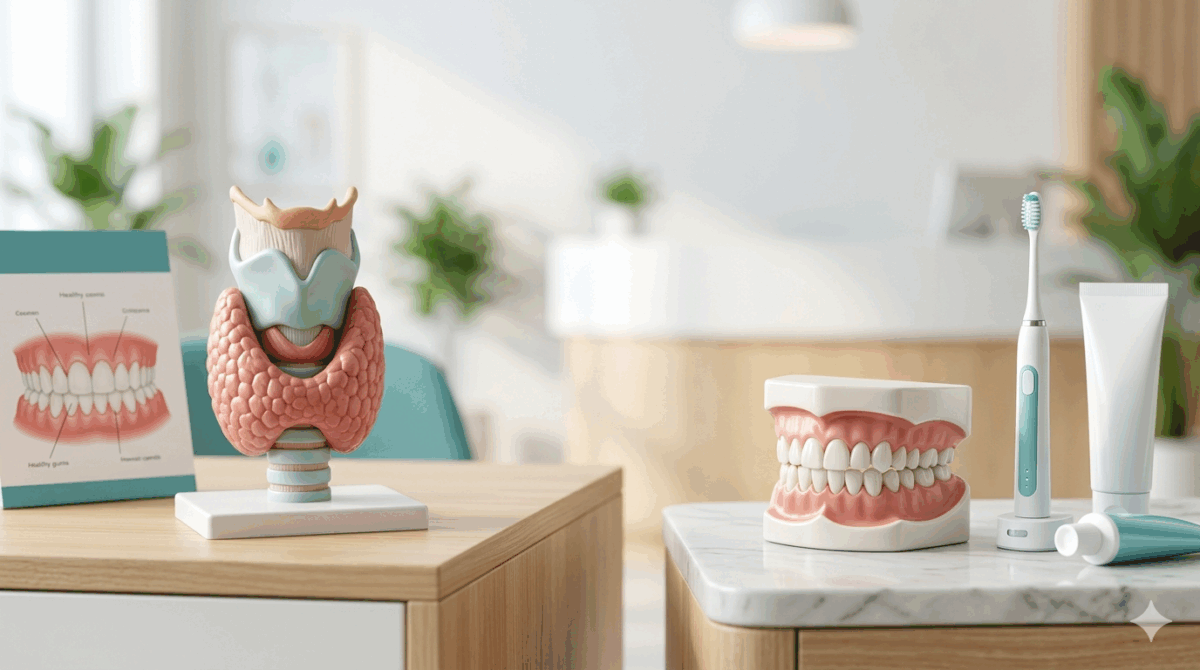
Partial vs. Full Dentures: Which Is Right for You?

Tooth loss can impact more than just your smile—it affects how you eat, speak, and feel. Whether you’re missing one tooth or many, dentures offer a practical, natural-looking solution. But when it comes to restoring your smile, choosing between partial and full dentures is a crucial decision.

Understanding the differences between the two can help you make an informed choice and improve your quality of life. Let’s explore the key features, benefits, and factors to consider when deciding whether partial or full dentures are right for you.

What Are Dentures?

Dentures are removable dental appliances designed to replace missing teeth and surrounding tissues. They restore the structure, function, and aesthetics of your mouth, helping you chew properly, speak clearly, and smile with confidence.

Modern dentures are crafted from high-quality materials like acrylic resin and porcelain, offering a more natural appearance and comfortable fit than older versions.

What Are Full Dentures?

Full dentures, also known as complete dentures, are used when all teeth are missing in either the upper or lower jaw—or both. These prosthetics rest directly on the gums and are customized to resemble natural teeth.

Key Features of Full Dentures:

  • Replace an entire arch of teeth
  • Typically held in place with suction or adhesive
  • May require a healing period after extractions before final fitting
  • Can be conventional or immediate (placed right after tooth removal)

Advantages:

  • Complete restoration of appearance and function
  • Improved facial support and symmetry
  • Cost-effective compared to implants
  • Non-invasive and easy to maintain

Full dentures are ideal for individuals who have lost most or all of their natural teeth due to decay, gum disease, or trauma.

What Are Partial Dentures?

Partial dentures are used when some natural teeth remain in the upper or lower jaw. They consist of one or more artificial teeth attached to a gum-colored base, often held in place with clasps that anchor to surrounding teeth.

Key Features of Partial Dentures:

  • Fill in gaps caused by missing teeth
  • Preserve remaining natural teeth
  • Removable and easy to clean
  • Can be made of metal, flexible resin, or acrylic

Advantages:

  • Maintains tooth alignment by preventing shifting
  • Helps with chewing and speech
  • Less invasive than bridges or implants
  • Often more affordable than fixed dental restorations

Partial dentures are an excellent solution if you have several missing teeth but still retain healthy natural ones.

Key Differences: Partial vs. Full Dentures

Feature Partial Dentures Full Dentures
Purpose Replace some missing teeth Replace all teeth in an arch
Support Relies on remaining teeth Rests directly on gums
Materials Often includes metal framework Typically acrylic or porcelain
Cost Usually less expensive Can be more depending on type
Fit Stability Anchored to natural teeth May require adhesives
Removability Removable Removable

Understanding these distinctions helps clarify which type may better suit your dental condition and lifestyle.

Factors to Consider When Choosing Dentures

Choosing the right denture depends on more than just the number of missing teeth. Several factors come into play:

  1. Oral Health Status

If you still have healthy, stable teeth, partial dentures are often the best choice. However, if your teeth are severely damaged or decayed, full dentures may be more appropriate.

  1. Bone Health

Dentures rely on gum and bone structure for support. If you’ve experienced significant bone loss, full dentures may need additional adjustments or implant support for stability.

  1. Budget

Dentures are more affordable than implants or bridges, but cost can still vary. Partial dentures are typically less expensive, but your dentist can help you explore financing or insurance options for either type.

  1. Lifestyle and Preferences

Some people prefer the look and feel of full dentures for a complete smile transformation. Others might favor the conservative approach of partials to maintain their natural teeth as long as possible.

  1. Long-Term Goals

Are you looking for a temporary fix or a long-term solution? Some patients start with full or partial dentures and eventually upgrade to implant-supported dentures for added comfort and permanence.

Caring for Your Dentures

Regardless of which type you choose, proper care ensures comfort and longevity. Here are some tips:

  • Remove and rinse dentures after eating
  • Clean daily with a soft brush and non-abrasive cleanser
  • Soak overnight in a denture solution to maintain shape
  • Avoid using hot water, which can warp the appliance
  • Schedule regular dental visits for adjustments and oral health checks

Proper hygiene not only prolongs the life of your dentures but also protects your gums and any remaining natural teeth.

Dentures offer a customizable, reliable way to restore your smile and regain function. If you’re missing several or all of your teeth, deciding between partial and full dentures depends on your current oral health, lifestyle, and personal goals.

A professional dental consultation is the best way to determine what’s right for you. With modern advancements, both options are more comfortable, natural-looking, and durable than ever before—so you don’t have to let missing teeth hold you back.

Choosing the Right Cosmetic Dentist in San Antonio: What to Look For

A beautiful smile can transform your appearance, boost your confidence, and enhance your quality of life. If you’re considering a smile makeover, selecting the right cosmetic dentist in San Antonio is the first and most important step. Not all dentists offer the same level of expertise, technology, and artistic skill—so knowing what to look for can make all the difference in your results.

  1. Verify Credentials and Training

Cosmetic dentistry requires specialized knowledge beyond general dental care. Look for a dentist who:

  • Has advanced training in cosmetic dental procedures
  • Is a member of organizations like the American Academy of Cosmetic Dentistry (AACD)
  • Participates in ongoing education to stay current with modern techniques
  1. Review Before-and-After Photos

A reputable cosmetic dentist should be able to show you a portfolio of actual patient results. Pay attention to:

  • Natural-looking outcomes
  • Consistency in quality across different cases
  • Examples of procedures similar to what you need (veneers, whitening, bonding, etc.)
  1. Read Patient Reviews and Testimonials

Online reviews offer valuable insight into:

  • The dentist’s chairside manner
  • The professionalism of the staff
  • The overall patient experience
  • The longevity and quality of cosmetic work

Focus on feedback from patients who received cosmetic treatments, as their experiences will be most relevant to your needs.

  1. Explore Available Cosmetic Services

The best cosmetic dentists in San Antonio offer a wide range of services, such as:

  • Porcelain veneers
  • Teeth whitening
  • Invisalign® clear aligners
  • Dental bonding and reshaping
  • Smile makeovers combining multiple treatments

A versatile dentist can create a customized plan that suits your unique goals.

  1. Ask About Technology and Materials

Modern cosmetic dentistry relies on advanced tools and high-quality materials to produce stunning results. Look for:

  • Digital smile design software for previewing your new look
  • Laser dentistry for precise, minimally invasive procedures
  • Durable, natural-looking materials like porcelain and composite resin
  1. Schedule a Consultation

Meeting the dentist in person allows you to:

  • Discuss your goals and expectations
  • Learn about available treatment options
  • Gauge how comfortable and confident you feel with their approach

A skilled cosmetic dentist will listen carefully, answer your questions, and offer realistic recommendations.

  1. Consider Cost and Financing Options

Cosmetic procedures are often elective and may not be covered by insurance. Ask about:

  • Detailed cost estimates for each procedure
  • Payment plans or financing options to fit your budget

Why Choosing the Right Cosmetic Dentist Matters

Cosmetic dentistry is equal parts science and art. A skilled dentist in San Antonio will ensure:

  • Your smile looks natural and fits your facial features
  • Your dental health is prioritized alongside aesthetics
  • Your results are long-lasting and functional

Finding the right cosmetic dentist in San Antonio is about more than skill—it’s about trust, communication, and personalized care. By verifying credentials, reviewing past work, and asking the right questions, you can confidently choose a dentist who will bring your dream smile to life.

📞 Call today to schedule your cosmetic dentistry consultation in San Antonio and start your journey toward a brighter, more confident smile.

Can You Get a Dental Exam While Pregnant? What You Should Know

Pregnancy comes with a long list of do’s and don’ts—but what about dental visits? One common concern many expectant mothers have is: “Can I get a dental exam while pregnant?” The answer is yes—not only is it safe, but it’s also highly recommended.

Dental health is closely linked to overall wellness, and during pregnancy, hormonal changes can make you more vulnerable to gum disease, tooth decay, and other oral health issues. In this guide, we’ll walk you through what you need to know about getting a dental exam during pregnancy, when it’s safe, and what treatments are typically allowed.

Why Dental Health Matters During Pregnancy

Pregnancy affects your entire body—including your mouth. Hormonal changes, increased blood flow, morning sickness, and diet shifts can all contribute to oral health problems. Common dental concerns during pregnancy include:

  • Pregnancy Gingivitis: Swollen, bleeding gums due to hormonal changes
  • Increased Risk of Cavities: Cravings, frequent snacking, and acid from vomiting can wear down enamel
  • Gum Infections: If untreated, they may increase the risk of preterm birth or low birth weight

Because of these potential issues, routine dental exams during pregnancy are essential to maintain oral health and prevent complications.

Is It Safe to Get a Dental Exam While Pregnant?

Yes—dental exams are completely safe during pregnancy, including professional cleanings and diagnostic procedures like X-rays (with precautions). In fact, most dentists and OB-GYNs recommend continuing regular dental care throughout all trimesters.

Here’s what’s typically safe:

  • Routine cleanings
  • Oral exams
  • X-rays (with proper shielding)
  • Fillings and cavity treatment (especially during second trimester)
  • Gum disease treatment

Avoiding the dentist for nine months can allow minor issues to become major problems. Preventive dental care is crucial, even when you’re expecting.

Best Time for a Dental Visit During Pregnancy

While dental exams are safe in all three trimesters, the second trimester (weeks 13–27) is generally considered the ideal time for elective dental procedures. Here’s why:

🟢 First Trimester: Caution With Procedures

The first trimester is a vital time for fetal development. While exams and cleanings are safe, your dentist may choose to delay non-urgent treatments until after this phase, especially if you’re experiencing morning sickness or fatigue.

✅ Second Trimester: Safest Window

This is the most comfortable and safest period for dental work. You’ll likely have more energy, and the baby’s critical development phase has passed. Most routine dental treatments, including fillings, can be safely performed during this time.

🟡 Third Trimester: Limited Tolerance

Lying back in the dental chair for extended periods may be uncomfortable, and some procedures may be postponed until after delivery. Emergency dental work can still be done, but routine procedures are usually avoided.

What About Dental X-Rays During Pregnancy?

Many patients worry about X-ray exposure harming the baby. Fortunately, modern dental X-rays emit very low levels of radiation, and when necessary, are safe during pregnancy—especially when using:

  • Lead apron with thyroid collar
  • Digital X-rays (which use significantly less radiation)

If your dentist recommends an X-ray to diagnose an issue (like an infection or abscess), don’t delay it—untreated dental problems can pose greater risks to both you and your baby than the X-ray itself.

Let Your Dentist Know You’re Pregnant

Even if you’re early in your pregnancy, always tell your dentist. They’ll take necessary precautions and adjust medications, anesthesia, or treatment plans accordingly.

Also inform your dental team if:

  • You’re taking prenatal vitamins or medications
  • You’ve had any complications or are considered high-risk
  • You experience severe morning sickness, which may impact oral hygiene

Open communication ensures your care is both effective and safe for you and your baby.

Tips for Maintaining Oral Health During Pregnancy

Here are simple, dentist-approved tips to keep your mouth healthy while expecting:

🪥 Brush Twice Daily

Use a fluoride toothpaste and a soft-bristled brush to protect enamel and prevent cavities.

🧵 Floss Daily

Hormonal changes make your gums more sensitive. Daily flossing helps prevent pregnancy gingivitis.

💧 Rinse After Morning Sickness

If vomiting occurs, rinse your mouth with water or a baking soda solution (1 tsp baking soda in a glass of water) before brushing to neutralize acids and protect enamel.

🍎 Watch Your Diet

Limit sugary snacks and drinks. Opt for calcium-rich foods and prenatal vitamins with Vitamin D to strengthen your teeth and bones.

📅 Don’t Skip Dental Appointments

Your oral health affects your overall health—and your baby’s. Keeping up with exams and cleanings reduces the risk of pregnancy-related dental complications.

What Treatments Should Be Avoided?

While most dental care is safe, certain procedures or medications may be postponed or avoided during pregnancy:

  • Teeth whitening or cosmetic treatments
  • Elective procedures like veneers or crowns (unless necessary)
  • Medications not approved by your OB-GYN or dentist

Always ask your provider to coordinate with your OB before using antibiotics, pain relievers, or anesthesia.

Final Thoughts

So, can you get a dental exam while pregnant? Absolutely. In fact, you should.

Dental health is closely tied to your overall well-being and your baby’s development. Regular exams, cleanings, and prompt treatment of dental issues are not only safe—they’re part of a healthy pregnancy routine.

If you’re pregnant or planning to become pregnant, schedule a dental visit early, let your dentist know, and follow a daily oral care routine. A healthy smile is a great gift to give your future little one.

Dental Implants for Seniors: Age, Bone Health, and Long-Term Results

Tooth loss is a common issue among older adults. Whether it’s due to age, gum disease, or injury, missing teeth can significantly impact one’s quality of life. Fortunately, dental implants offer a long-term, natural-looking solution that restores both function and confidence.

Many seniors wonder: Am I too old for dental implants? The good news is that age alone is not a barrier. With the right bone structure and overall health, seniors can benefit from dental implants just as much as younger patients.

In this blog, we’ll explore how dental implants work for seniors, how bone health plays a role, and the long-term benefits they offer.

What Are Dental Implants?

Dental implants are artificial tooth roots, typically made of titanium, that are surgically placed into the jawbone. Once healed, they support crowns, bridges, or dentures to replace one or more missing teeth. Implants function like natural teeth and help preserve bone health, maintain facial structure, and restore chewing ability.

Are Seniors Good Candidates for Dental Implants?

Absolutely. While it’s true that dental implants require adequate bone and general health, age itself is not a limiting factor. In fact, many seniors in their 60s, 70s, and even 80s successfully receive implants and enjoy their benefits for years.

Key Factors That Make a Senior a Good Candidate:

  • Overall health: Chronic conditions such as diabetes or heart disease must be well-controlled.
  • Healthy gums: Periodontal disease should be treated prior to implantation.
  • Adequate bone density: Enough jawbone is needed to anchor the implant securely.
  • Commitment to oral hygiene: Daily brushing, flossing, and regular dental visits are essential.

Even if you’ve worn dentures for years or experienced bone loss, options like bone grafting or implant-supported dentures can still make implants a viable solution.

The Role of Bone Health in Dental Implants

Bone health is a crucial part of implant success. When a tooth is lost, the jawbone beneath it begins to shrink due to lack of stimulation. Over time, this bone resorption can make it difficult to place implants without additional procedures.

How Seniors Can Manage Bone Health for Dental Implants:

  1. Bone Grafting
    If bone loss has occurred, grafting materials can be added to strengthen the jaw and prepare it for implants.
  2. Regular Dental Check-ups
    Ongoing evaluations help monitor bone levels and ensure proper healing after implant surgery.
  3. Healthy Diet and Supplements
    A calcium-rich diet and vitamin D supplementation can support stronger bones, especially in seniors.
  4. Avoiding Smoking
    Smoking impairs blood flow and healing, reducing the success rate of dental implants.

Your dentist or oral surgeon will perform 3D imaging and scans to evaluate bone density and create a personalized treatment plan.

Dental Implants vs. Dentures for Seniors

Traditional dentures may seem like the obvious choice for seniors, but they come with limitations. They can slip, cause sore spots, and make chewing difficult.

Here’s how dental implants compare:

Feature Dental Implants Traditional Dentures
Stability Secure and fixed Can shift or slip
Comfort Feels like natural teeth May cause discomfort or sore gums
Functionality Restores full chewing ability Limited chewing efficiency
Bone Preservation Prevents bone loss Accelerates bone resorption
Longevity Can last 20+ years Needs replacement every 5–7 years

For seniors seeking a more permanent and comfortable solution, dental implants are often the better investment.

Long-Term Results and Benefits for Seniors

Dental implants aren’t just about restoring teeth — they transform lives. Seniors who receive implants report better nutrition, clearer speech, and increased confidence.

Long-Term Benefits of Dental Implants for Seniors:

  • Improved oral health: Implants don’t rely on adjacent teeth, reducing the risk of decay.
  • Better nutrition: Ability to chew tough or crunchy foods supports a balanced diet.
  • Enhanced self-esteem: A beautiful, natural-looking smile can boost your confidence.
  • Durability: With proper care, implants can last a lifetime, reducing future dental expenses.
  • No more adhesives or soaking: Unlike dentures, implants are a low-maintenance solution.

These long-term advantages make dental implants a smart and worthwhile choice for older adults.

What to Expect During the Implant Process

The dental implant process typically takes several months and includes:

  1. Consultation and evaluation
  2. Bone grafting (if needed)
  3. Implant placement surgery
  4. Healing period (osseointegration)
  5. Abutment and crown placement

Recovery is usually smooth and well-tolerated by seniors, especially with proper aftercare and follow-up visits.

Common Concerns from Seniors (and Answers)

Is the procedure painful?

The surgery is done under local anesthesia, and discomfort is minimal. Most patients report feeling better within a few days.

What if I have osteoporosis?

Many seniors with osteoporosis can still get implants, especially if the condition is managed. A thorough evaluation will determine eligibility.

Are implants worth the cost?

Though the initial cost is higher, dental implants offer long-term value, fewer replacements, and improved quality of life.

Final Thoughts

Dental implants are an excellent tooth replacement solution for seniors who want a secure, natural-looking, and lasting alternative to dentures. With proper planning and care, age does not stand in the way of a confident smile.

If you’re a senior dealing with missing teeth, poor-fitting dentures, or declining oral health, don’t wait. Consult with your dentist to explore if dental implants are right for you.

✅ Call to Action

Ready to reclaim your smile and confidence? Schedule a dental implant consultation today and take the first step toward a healthier, happier life — no matter your age.

Will You Need a Crown After a Root Canal? Here’s Why?

If you’ve recently had—or are preparing for—a root canal treatment, you might be wondering:
“Do I really need a crown afterward?”

The short answer? In most cases, yes. A dental crown after a root canal plays a critical role in protecting the tooth, restoring its function, and preventing future complications. While not every tooth requires a crown, many do—especially molars or teeth under heavy chewing pressure.

In this article, we’ll explain why a crown is often recommended after root canal therapy, when it’s necessary, and what your options are.

What Happens to a Tooth After a Root Canal?

Root canal treatment involves removing the infected or damaged pulp inside the tooth. While this procedure effectively eliminates infection and pain, it also leaves the tooth hollowed out, more brittle, and vulnerable to fracture over time.

Key facts about post-root canal teeth:

  • The tooth no longer has a nerve, so it won’t feel pain—but it also won’t signal stress or damage.
  • The structure becomes weaker and more likely to chip or crack.
  • Biting forces can cause the tooth to split without protection.

Why Is a Crown Often Necessary After a Root Canal?

  1. Restores Tooth Strength

The inner structure of the tooth is compromised after a root canal. A crown acts like a shield, covering the entire surface of the tooth and reinforcing its strength against chewing and grinding forces.

  1. Prevents Cracks and Fractures

Teeth treated with root canals—especially molars and premolars—are at a high risk of breaking if left unprotected. A crown distributes bite pressure evenly, reducing this risk significantly.

  1. Improves Longevity of the Tooth

Without a crown, the tooth is more likely to fracture and require extraction in the future. Crowning a root canal-treated tooth can extend its lifespan by decades with proper care.

  1. Restores Appearance and Function

A crown not only strengthens the tooth—it also improves its look and usability. Modern dental crowns are designed to blend seamlessly with your smile and restore full chewing function.

When You Might Not Need a Crown After a Root Canal

Not every case requires a crown. Some front teeth and lower-stress areas may not need full coverage.

You may not need a crown if:

  • The tooth is a front incisor or canine, which doesn’t bear as much chewing pressure
  • There is minimal tooth structure lost
  • Your dentist places a strong composite filling and determines the tooth can hold up

However, even in these cases, your dentist may recommend a crown for added protection, especially if the tooth is worn, discolored, or previously damaged.

Types of Crowns Used After Root Canals

Depending on the location of the tooth and your aesthetic preferences, your dentist may recommend one of the following types of crowns:

  • Porcelain-fused-to-metal (PFM): Durable with good aesthetics
  • All-ceramic or all-porcelain: Excellent aesthetics for front teeth
  • Zirconia crowns: Extremely strong, suitable for molars
  • Gold crowns: Highly durable, often used for back teeth (less common today)

Your dentist will consider factors like bite alignment, location in the mouth, and your cosmetic goals before selecting the right crown.

What’s the Timeline for Getting a Crown After a Root Canal?

The timeline depends on whether your dentist places a temporary filling or prepares the tooth immediately for a crown:

General timeline:

  1. Root canal completed
  2. Temporary filling placed
  3. Tooth prepped for a crown (within 1–2 weeks)
  4. Permanent crown placed (after 1–2 lab visits or same-day if in-office milling is available)

Important: Delaying your crown placement can risk reinfection or structural failure. Always follow your dentist’s guidance on timing.

Conclusion: Protect Your Investment

A root canal saves your tooth from extraction—but a crown protects that investment for the long term. Most teeth, especially those used for chewing, require a crown to prevent breakage, restore function, and maintain your oral health.

What Happens During a Routine Dental Checkup and Cleaning?

Maintaining good oral health goes beyond brushing and flossing at home. One of the most important steps in your dental care routine is scheduling regular dental checkups and cleanings. These visits not only keep your teeth looking great but also help detect potential problems before they become serious.

But if you’ve ever wondered what actually happens during a dental checkup and cleaning, you’re not alone. Whether you’re visiting the dentist for the first time in years or just want to better understand what to expect, this guide breaks it all down for you.

Why Are Regular Dental Checkups Important?

Dentists recommend having a routine dental checkup every six months, although some patients with specific dental conditions may need more frequent visits. These appointments are crucial for:

  • Preventing tooth decay and gum disease
  • Detecting issues early (such as cavities, infections, or oral cancer)
  • Keeping your teeth clean, polished, and plaque-free
  • Educating patients about proper oral hygiene

By catching problems early, your dentist can help you avoid more complex—and costly—treatments down the road.

What to Expect During a Routine Dental Visit

A typical checkup involves two main parts: the dental examination and the professional cleaning (also called oral prophylaxis). Here’s a step-by-step breakdown of what happens during the appointment:

  1. Medical History Review

Your dentist or hygienist will start by asking about:

  • Any current health issues or chronic conditions
  • Medications you’re taking
  • Changes in your overall health
  • Previous dental treatments or concerns

This helps the dental team understand your risk factors and tailor care to your needs.

  1. X-Rays (if needed)

Dental X-rays are usually taken once a year (or as needed) to detect:

  • Cavities between teeth
  • Bone loss
  • Impacted teeth
  • Infections or abscesses

These images provide a complete view of your oral health—especially areas not visible to the naked eye.

  1. Oral Examination by the Dentist

Once your X-rays are done, the dentist will perform a thorough examination of your:

  • Teeth – Checking for decay, cracks, or worn enamel
  • Gums – Evaluating for signs of gingivitis or periodontal disease
  • Bite and Jaw – Assessing your alignment and TMJ (temporomandibular joint) function
  • Tongue, Cheeks, and Throat – Screening for oral cancer or other abnormalities

Your dentist may also use a special tool to measure gum pockets, which helps identify gum disease early.

  1. Professional Teeth Cleaning

Once the exam is complete, a licensed dental hygienist or dentist will clean your teeth using the following steps:

  1. Scaling

The hygienist uses a scaler (manual or ultrasonic) to remove plaque and tartar buildup from your teeth, especially around the gum line and between teeth. Tartar, which is hardened plaque, cannot be removed by brushing alone.

  1. Polishing

After scaling, your teeth will be polished with a gritty toothpaste and a high-powered brush. This removes surface stains and smoothens the enamel.

  1. Flossing

Next, your hygienist will floss between your teeth to eliminate any remaining plaque and debris.

  1. Fluoride Treatment (optional)

In some cases, a fluoride gel or varnish may be applied to strengthen the teeth and help prevent cavities, especially in children and at-risk adults.

  1. Discussion and Recommendations

After your cleaning, the dentist or hygienist will:

  • Discuss any findings (e.g., cavities, gum inflammation, bite issues)
  • Suggest treatment if needed (e.g., fillings, crowns, deep cleaning)Offer guidance on brushing, flossing, and nutrition
  • Help you set up your next appointment

If additional procedures are required, the dentist will create a personalized treatment plan.

How Long Does a Checkup Take?

A routine dental checkup and cleaning typically takes 30 to 60 minutes, depending on your oral health and whether X-rays are needed.

Tips for a Successful Dental Visit

  • Arrive early to complete any paperwork
  • Brush and floss before your appointment
  • Bring a list of medications and health concerns
  • Ask questions – your dentist is there to help!

If you feel nervous about dental visits, let the staff know. Many dental offices offer gentle care techniques or sedation options to ensure your comfort.

Final Thoughts

Routine dental checkups and cleanings are a foundation of lifelong oral health. By visiting your dentist every six months, you’re taking a proactive step to prevent disease, maintain your smile, and address any issues before they become serious.

It’s not just about your teeth—your oral health is closely linked to your overall health. So don’t skip that appointment!

How Often Should You Get a Dental Examination?

Regular dental examinations are a crucial part of maintaining good oral hygiene, detecting potential issues early, and preventing long-term dental problems. But how often should you get a dental exam? Is twice a year still the golden rule—or do your needs vary based on age, risk factors, and oral health history?

In this comprehensive guide, we break down the ideal dental exam frequency, personalized recommendations, and why regular checkups can save your smile—and your wallet—in the long run.

 Quick Answer: Most People Need a Dental Examination Every 6 Months

The American Dental Association (ADA) recommends visiting your dentist at least once every six months for a routine dental examination and cleaning. However, this is a general guideline—and the ideal frequency depends on your individual needs.

These questions reflect a genuine desire to:

  • Understand personalized dental exam schedules
  • Avoid unnecessary costs
  • Prevent dental emergencies before they start

Let’s explore how dental exam frequency changes by age, condition, and risk level.

Dental Examination Frequency by Age & Risk Group

Group Recommended Frequency Notes
Children (1–18 years) Every 6 months Early exams help detect cavities, alignment issues
Adults with good oral health Every 6–12 months May be able to go once per year if low risk
Pregnant women Every 6 months (or as advised) Hormonal changes increase risk of gingivitis
Smokers Every 3–6 months Higher risk of gum disease and oral cancer
People with gum disease or chronic conditions Every 3–4 months Frequent monitoring is essential
Seniors Every 6 months or more Age-related issues like dry mouth, tooth wear

What Happens During a Dental Exam?

A dental examination isn’t just about cleaning your teeth. It’s a full-spectrum oral health check that typically includes:

  • Review of medical history
  • Oral cancer screening
  • Gum health assessment (for signs of periodontal disease)
  • Tooth-by-tooth inspection for cavities or cracks
  • X-rays (typically once per year)
  • Evaluation of bite and jaw alignment
  • Professional dental cleaning

Dental Exams vs. Dental Cleanings:

Procedure Dental Examination Dental Cleaning
Purpose Detect disease or abnormalities Remove plaque and tartar
Done by Dentist Dental hygienist
Frequency 6–12 months Usually same visit, but may vary

Benefits of Regular Dental Exams

  1. Early Detection of Issues
    Prevent small problems (like minor cavities) from becoming big expenses (like root canals).
  2. Oral Cancer Screening
    Dentists check for early signs of cancer, especially important for high-risk individuals.
  3. Gum Disease Monitoring
    Periodontal issues are often painless until they’re serious.
  4. Whole-Body Health Connection
    Poor oral health is linked to diabetes, heart disease, and pregnancy complications.
  5. Cost Savings
    Preventive care is far less expensive than emergency treatment.

When You May Need More Frequent Dental Exams

  • You have diabetes or are immunocompromised
  • You have a history of frequent cavities
  • You’ve had extensive dental work (implants, crowns, bridges)
  • You experience chronic bad breath or gum bleeding
  • You’re undergoing orthodontic treatment

In these cases, dental professionals often recommend visits every 3–4 months for close monitoring and maintenance.

  Expert Tips for Making the Most of Your Dental Exams

  • Bring a list of medications and medical conditions
  • Ask about preventive care tips specific to your mouth
  • Take notes on what to improve before your next visit
  • Don’t skip cleanings—they’re just as vital as the exam itself

 We Want to Hear From You!

How often do you get dental exams? Have you experienced a time when skipping a visit led to a bigger issue?
Share your story or ask a question below—your experience could help someone else take action!

Share This With a Friend Who’s Overdue for a Checkup

Know someone who’s been avoiding the dentist? Help them understand why dental exams are important by sharing this article on Facebook, Pinterest, or your favorite health forum.

 Related Searches (for NLP & SEO context)

  • What happens during a dental examination?
  • Are dental checkups really necessary?
  • Dental exam vs cleaning
  • Signs you need to see a dentist
  • How often should I take my child to the dentist?

 Final Word: Prioritize Your Dental Examinations

Whether you’ve never had a cavity or are managing complex dental issues, routine dental exams are your first line of defense. They’re affordable, painless, and prevent bigger issues from developing.

FAQs: 

Q:1. Is one dental exam per year enough?
A: It may be for people with exceptional oral hygiene and no history of dental issues. Your dentist will let you know what’s safe for you.

Q:2. Do dental exams hurt?
A: No—dental exams are generally quick, painless, and non-invasive.

Q:3.  Are dental exams covered by insurance?
A: Most dental insurance plans cover two exams per year at no additional cost.

Q: 4. What if I haven’t seen a dentist in years?
A: It’s never too late to restart. Your first exam may involve a comprehensive review and X-rays, but it’s the first step to a healthier smile.

What Are Veneers for Teeth? A Comprehensive Guide to the Cosmetic Treatment

Transforming Smiles, One Tooth at a Time

When Patient smiled,  often felt self-conscious about the gaps and discoloration in her front teeth. She had tried whitening treatments and even considered braces—but nothing felt quite right. That’s when his dentist introduced his to veneers, a cosmetic solution that changed everything. In just a few appointments, Patient’s smile became brighter, more even, and full of new confidence.

If you’ve been exploring cosmetic dental treatments, veneers might be the game-changer you’re looking for. Here’s everything you need to know.

What Are Dental Veneers?

Veneers are thin, custom-made shells crafted from porcelain or composite resin that are bonded to the front surface of teeth. Designed to improve appearance, they mimic the natural look of enamel and can address a variety of dental flaws.

What Problems Do Veneers Fix?

Veneers are a go-to solution for many cosmetic concerns, including:

  • Discolored teeth that don’t respond to whitening
  • Chipped or cracked teeth
  • Uneven or misaligned teeth
  • Gaps between teeth
  • Worn-down enamel
  • Irregularly shaped teeth

Whether you’re aiming for a full smile makeover or correcting just a few imperfections, veneers provide a minimally invasive solution with stunning results.

Types of Veneers

  1. Porcelain Veneers

Highly durable and stain-resistant, porcelain veneers offer the most natural-looking results and typically last 10–15 years or more.

  1. Composite Resin Veneers

More affordable and quicker to apply, these veneers last 5–7 years and can often be done in a single visit.

The Veneer Procedure: What to Expect

Step 1: Consultation

Your dentist will assess your oral health, discuss your goals, and determine if you’re a candidate.

Step 2: Preparation

A small amount of enamel is removed from the tooth surface to ensure a proper fit. Impressions are then taken for your custom veneers.

Step 3: Placement

Once the veneers are ready, they’re bonded to your teeth with a strong adhesive and adjusted for perfect fit and comfort.

Some practices also offer no-prep or minimal-prep veneers, which require little to no enamel removal.

Are Veneers Permanent?

While veneers are not considered permanent, porcelain veneers are a long-term cosmetic solution, lasting over a decade with proper care. Because some enamel is removed during preparation, the procedure is not reversible.

Pros and Cons of Veneers

Pros:

  • Natural appearance
  • Stain resistance (especially porcelain)
  • Fast cosmetic transformation
  • Boost in self-confidence

Cons:

  • Irreversible (enamel is removed)
  • Not suitable for teeth with decay or gum disease
  • Can chip or break under excessive pressure
  • May need replacement after 10–15 years

How to Care for Veneers

To make your veneers last:

  • Brush twice daily with non-abrasive toothpaste
  • Floss daily
  • Avoid chewing hard items (ice, pens)
  • Limit staining foods and drinks (coffee, red wine)
  • Wear a mouthguard if you grind your teeth
  • Visit your dentist for regular cleanings and checkups

Are Veneers Right for You?

Veneers are ideal for patients with healthy teeth and gums who want to improve the look of their smile. However, they may not be suitable if you have:

  • Severe tooth decay
  • Gum disease
  • Insufficient enamel
  • Significant bite issues

Your dentist will help determine the best treatment based on your oral health and cosmetic goals.

Final Thoughts

Dental veneers are a powerful tool in modern cosmetic dentistry. Whether you’re looking to correct one tooth or completely transform your smile, veneers offer a natural, durable, and confidence-boosting solution.

What Is the Difference Between a Cap and a Crown?

When it comes to restoring damaged or decayed teeth, dental professionals often use terms like cap and crown interchangeably. However, many patients are left wondering: What is the difference between a cap and a crown? Are they two different dental procedures, or are they simply two names for the same thing?

In this detailed and informative blog, we will clarify the difference (if any) between a cap and a crown, when they are used, and how they benefit oral health.

What Is a Dental Cap?

A dental cap is essentially a layman’s term for a dental crown. It is commonly used by non-dental professionals or patients when referring to a restoration that covers a damaged or decayed tooth. The term “cap” comes from the concept of capping or covering a tooth to protect it from further damage.

So, to put it simply: A cap and a crown are the same things. Dentists use the term crown, while many patients still refer to it as a cap.

Purpose of a Dental Cap (Crown)

A dental cap is designed to:

  • Restore a damaged tooth’s shape, size, and strength.
  • Enhance the tooth’s appearance.
  • Protect a weakened tooth from further decay or fracture.
  • Cover dental implants, large fillings, or a root canal-treated tooth.

Now that we’ve established that a cap and a crown are the same, let’s dive deeper into the purpose, materials, and types of dental crowns.

What Is a Dental Crown?

A dental crown is a tooth-shaped, custom-made cap that covers the entire visible part of a damaged or decayed tooth. It serves to restore the tooth’s functionality, strength, and appearance. Dentists primarily use the term crown in professional settings, while patients may casually refer to it as a cap.

Dental crowns are designed to mimic the natural appearance of your teeth while providing protection and stability.

When Is a Dental Cap (Crown) Needed?

Your dentist may recommend a dental crown (or cap) in the following situations:

  1. Large Cavities or Tooth Decay

If you have a large cavity that cannot be treated with a regular dental filling, a crown (cap) is used to cover and protect the tooth. This prevents further decay and restores normal tooth function.

  1. Root Canal Treatment

After a root canal treatment, the tooth becomes brittle and prone to fractures. A dental crown is placed over the treated tooth to restore its strength and function.

  1. Broken, Fractured, or Cracked Tooth

If you have a cracked or fractured tooth, a dental crown can hold the tooth together and prevent it from breaking further.

  1. Cosmetic Improvement

A dental crown can be used to improve the appearance of a discolored, misshapen, or misaligned tooth. Crowns provide a natural, aesthetically pleasing look.

  1. Dental Implants

For individuals who have undergone dental implant surgery, a crown (cap) is placed on top of the implant to replace the missing tooth.

  1. Tooth Wear Due to Grinding or Erosion

Patients who suffer from bruxism (teeth grinding) or severe enamel erosion may require dental crowns to restore the natural shape and functionality of their teeth.

Types of Dental Crowns (Caps)

Dental crowns come in various materials, and the choice depends on durability, aesthetics, and budget. Here are the most common types of crowns:

  1. Porcelain Crowns
  • Highly aesthetic and natural-looking.
  • Commonly used for front teeth.
  • Matches the color of natural teeth.
  • Slightly less durable than metal crowns.
  1. Metal Crowns (Gold or Silver)
  • Extremely durable and long-lasting.
  • Ideal for molars (back teeth) where chewing pressure is high.
  • Not as aesthetically pleasing.
  1. Porcelain-Fused-to-Metal (PFM) Crowns
  • Combines the strength of metal with the aesthetics of porcelain.
  • Provides a natural look with high durability.
  • Suitable for front and back teeth.
  1. Zirconia Crowns
  • Exceptionally durable and strong.
  • Highly aesthetic and resembles natural teeth.
  • Resistant to chipping or cracking.
  1. Resin Crowns
  • Less expensive than other materials.
  • Ideal for temporary crowns.
  • Not as durable for long-term use.

Is There Any Difference Between a Cap and a Crown?

No, there is no difference between a cap and a crown. The term cap is a colloquial term used by patients to describe the same thing that dentists refer to as a crown. Both terms describe the same dental restoration designed to cover and protect a damaged tooth.

However, the confusion often arises due to the different contexts in which the terms are used:

  • Patients: Often refer to it as a “cap” because it covers the tooth like a hat.
  • Dentists: Use the professional term “crown” in clinical settings.

Regardless of the term, the function and purpose remain the same.

How Long Do Dental Caps (Crowns) Last?

The lifespan of a dental crown depends on several factors, including the material used, oral hygiene, and general dental care. On average:

  • Porcelain crowns: Last 10-15 years with proper care.
  • Metal crowns: Last 15-20 years or more.
  • Zirconia crowns: Can last over 20 years.

Good oral hygiene and regular dental visits significantly increase the lifespan of your dental crown.

Conclusion

So, what is the difference between a cap and a crown? Nothing! A cap and a crown are simply two different terms for the same dental restoration. While patients often use the term “cap,” dental professionals refer to it as a crown. Regardless of what you call it, its primary purpose remains the same: to restore and protect your damaged tooth.

General Dentistry Explained: Services, Benefits, and Expert Insights

General dentistry plays a crucial role in maintaining oral health and overall well-being. It encompasses a wide range of preventive, diagnostic, and therapeutic services to ensure your teeth and gums stay healthy. In this comprehensive guide, we explore what general dentistry is, the services offered, and why regular visits are essential for a confident, radiant smile.

What Is General Dentistry?

General dentistry focuses on preventing, diagnosing, and treating oral health issues. Unlike specialists who focus on specific areas, general dentists provide comprehensive care for patients of all ages. They are your first line of defense against dental problems, ensuring long-term oral health through preventive care and timely intervention.

Key Services Offered in General Dentistry

  1. Routine Dental Exams and Cleanings
    • Dental Exams: Thorough examinations identify cavities, gum disease, and other potential issues.
    • Professional Cleanings: Remove plaque and tartar buildup, preventing decay and gum disease.
    • Oral Cancer Screenings: Early detection of abnormalities can save lives.
  2. X-Rays and Diagnostic Services
    • Digital X-Rays: Offer detailed images to detect hidden problems like impacted teeth or bone loss.
    • Intraoral Cameras: Provide a real-time view, helping patients understand their oral health.
  3. Restorative Procedures
    • Fillings: Used to repair cavities and prevent further decay.
    • Crowns and Bridges: Restore damaged or missing teeth, improving functionality and appearance.
    • Root Canal Therapy: Treats infected tooth pulp, saving the natural tooth.
  4. Cosmetic Dentistry
    • Teeth Whitening: Enhances the brightness of your smile.
    • Veneers: Correct chipped, discolored, or misshapen teeth for a flawless appearance.
  5. Preventive Dentistry
    • Fluoride Treatments: Strengthen tooth enamel, reducing the risk of cavities.
    • Dental Sealants: Protective coatings applied to molars to prevent decay.
    • Mouthguards: Custom-fit guards for sports or to prevent teeth grinding.
  6. Emergency Dental Care
    • Immediate treatment for toothaches, broken teeth, or other urgent dental issues.

Why Are Regular Dental Visits Important?

  • Early Detection and Prevention: Regular check-ups help detect cavities, gum disease, and oral cancer in their early stages, making treatment more manageable and less expensive.
  • Maintaining Oral Health: Professional cleanings remove plaque and tartar, preventing decay and gum disease.
  • Overall Health Connection: Poor oral health is linked to systemic conditions like heart disease, diabetes, and respiratory infections.

The Role of General Dentists: Your Oral Health Partners

General dentists do more than treat dental issues; they educate patients on maintaining optimal oral hygiene. From teaching proper brushing techniques to dietary advice, they empower patients to take control of their oral health.

Benefits of General Dentistry

  1. Comprehensive Care: From routine check-ups to complex restorations, all your dental needs are managed under one roof.
  2. Continuity of Care: Building a long-term relationship with your dentist helps track your oral health history, leading to personalized and effective treatments.
  3. Cost-Effective Prevention: Regular visits and preventive care reduce the need for expensive treatments in the future.
  4. Convenience and Comfort: One trusted dentist for the entire family streamlines scheduling and ensures a comfortable environment for children and adults alike.

How to Choose the Right General Dentist

  • Qualifications and Experience: Ensure the dentist is licensed and has the experience necessary to handle diverse dental issues.
  • Services Offered: Opt for a clinic that provides comprehensive services, including preventive, restorative, and cosmetic dentistry.
  • Technology and Equipment: A modern clinic with the latest diagnostic tools and treatment methods ensures accurate diagnoses and comfortable procedures.
  • Patient Reviews and Testimonials: Check online reviews to gauge patient satisfaction and the quality of care.
  • Insurance and Payment Options: Confirm the clinic accepts your insurance and offers flexible payment plans.

Expert Insights: Tips for Maintaining Oral Health

  1. Brush Twice Daily: Use a soft-bristled toothbrush and fluoride toothpaste.
  2. Floss Daily: Remove plaque and food particles between teeth to prevent gum disease.
  3. Limit Sugary Foods and Drinks: Reduce the risk of cavities by minimizing sugar intake.
  4. Stay Hydrated: Drinking water helps wash away food particles and bacteria.
  5. Avoid Tobacco Products: Smoking and chewing tobacco increase the risk of gum disease and oral cancer.
  6. Regular Dental Visits: Schedule check-ups every six months for cleanings and exams.

The Future of General Dentistry: Embracing Technology

Advancements in dental technology, such as digital X-rays, intraoral cameras, and 3D imaging, are revolutionizing general dentistry. These innovations enhance diagnostic accuracy, improve patient communication, and make procedures more comfortable and efficient.

Conclusion: Your Smile, Our Priority

General dentistry is the cornerstone of oral health, offering preventive care, accurate diagnostics, and effective treatments to keep your smile healthy and beautiful. Whether you need a routine check-up, cosmetic enhancement, or emergency care, general dentists provide comprehensive solutions tailored to your needs.

Regular visits to a trusted general dentist not only protect your oral health but also contribute to your overall well-being. Schedule an appointment today and take the first step towards a lifetime of healthy smiles!