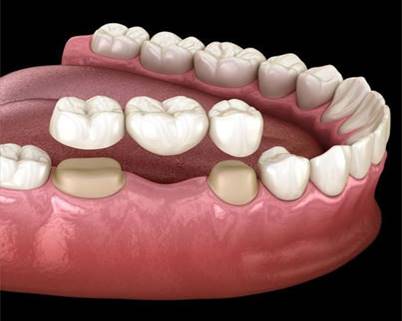
Getting your wisdom teeth removed is a common dental procedure that most people experience at some point in their lives. While it’s typically a routine surgery, wisdom tooth extractions can sometimes involve certain risks and complications. Understanding these potential issues can help you prepare better, manage recovery effectively, and know when to contact your dentist for follow-up care.
This article explores the most common risks associated with wisdom tooth extractions, how to minimize them, and what to expect during your recovery process.
What Are Wisdom Tooth Extractions?
Wisdom teeth, or third molars, are the last set of teeth to emerge—usually between the ages of 17 and 25. Because most people’s jaws don’t have enough space to accommodate them, these teeth often become impacted, growing at awkward angles or failing to erupt properly.
In such cases, wisdom tooth extractions are recommended to prevent pain, infection, and damage to neighboring teeth. The procedure can range from simple removal to a minor surgical operation if the tooth is impacted or partially erupted.
While most extractions are straightforward, like any surgical procedure, they carry certain risks.
Common Risks Associated With Wisdom Tooth Extractions
1. Dry Socket (Alveolar Osteitis)
Dry socket is one of the most common complications after a tooth extraction. It occurs when the blood clot that forms at the extraction site either dissolves or becomes dislodged before the wound has healed. This exposes the underlying bone and nerves, leading to intense pain and delayed healing.
Symptoms include:
- Severe pain starting a few days after surgery
- Visible bone in the socket
- Bad breath or unpleasant taste in the mouth
Prevention tip: Avoid smoking, using straws, or rinsing vigorously in the first few days after the extraction. Follow your dentist’s aftercare instructions carefully.
2. Infection
After wisdom tooth extraction, an open wound is left in the gum that takes time to heal. If bacteria enter the site, it can cause infection. Signs of infection may include swelling, redness, persistent pain, fever, or pus discharge.
How to prevent infection:
- Keep your mouth clean but avoid disturbing the extraction area for the first 24 hours.
- Use prescribed antibiotics or antiseptic mouthwash if recommended.
- Stick to soft foods and avoid spicy or hard items that could irritate the wound.
3. Swelling and Bruising
Mild swelling and bruising are normal after wisdom tooth extractions, especially for surgical removals. However, excessive or prolonged swelling might signal infection or improper healing.
To manage swelling:
- Apply an ice pack to the affected area for 15–20 minutes at a time.
- Sleep with your head elevated for the first 24–48 hours.
- Follow your dentist’s guidance on anti-inflammatory medications.
4. Nerve Damage
In rare cases, the nerves that run beneath the lower wisdom teeth can be affected during extraction. This may cause temporary or, in very rare cases, permanent numbness in the tongue, lips, or chin. The condition is known as paresthesia.
How to minimize the risk:
A skilled and experienced dentist or oral surgeon will use X-rays or 3D scans to assess the tooth’s position before extraction. This careful planning reduces the likelihood of nerve injury.
5. Bleeding Complications
Some bleeding is expected after tooth removal, but continuous or heavy bleeding could indicate a complication. Overexertion, spitting forcefully, or failing to follow aftercare guidelines can disrupt clot formation.
Tips to control bleeding:
- Bite gently on gauze for 30–45 minutes immediately after extraction.
- Avoid physical activity for at least 24 hours.
- If bleeding continues beyond 24 hours, contact your dentist.
6. Jaw Stiffness or Difficulty Opening Mouth
Many patients experience trismus, a temporary condition that makes it difficult to open the mouth fully after surgery. It occurs due to inflammation or muscle stiffness near the surgical site.
How to reduce stiffness:
- Apply warm compresses after the first 48 hours.
- Perform gentle jaw exercises as recommended by your dentist.
- Eat soft foods that don’t require much chewing.
7. Sinus Complications
For upper wisdom teeth, the roots are close to the sinuses. In some cases, extraction may temporarily affect the sinus lining or cause an opening between the mouth and sinus cavity.
Signs of sinus involvement:
- Feeling air or fluid passing between the mouth and nose
- Nasal congestion or discomfort
Treatment: This condition is rare and usually heals on its own. However, your dentist may prescribe medication or recommend a follow-up if the issue persists.
8. Bone Fragments or Sore Jaw
Occasionally, small bone fragments can remain in the gum after extraction, causing discomfort as they work their way out naturally. Similarly, pressure during the procedure may lead to temporary jaw soreness.
These symptoms typically subside within a few days, but contact your dentist if discomfort persists beyond a week.
How to Reduce the Risks of Wisdom Tooth Extractions
While complications are possible, they can often be prevented or minimized with proper care and communication with your dentist. Here are a few practical tips:
- Choose an experienced oral surgeon or dentist. Look for professionals who specialize in wisdom tooth extractions for the safest results.
- Follow pre-surgery instructions such as fasting (if sedation is used) and avoiding certain medications.
- Adhere to all post-extraction care guidelines—this includes avoiding smoking, spitting, or using straws.
- Stay hydrated and maintain oral hygiene without disturbing the healing site.
- Attend follow-up appointments to ensure proper healing and identify any early signs of complications.
When to Call Your Dentist
Contact your dentist or oral surgeon if you notice any of the following after your extraction:
- Persistent bleeding that doesn’t stop after several hours
- Increasing pain or swelling after three days
- Fever or chills
- Pus or foul smell from the extraction site
- Numbness lasting more than a few days
Prompt attention can prevent minor issues from becoming serious complications.
Conclusion
Wisdom tooth extractions are safe, common, and often necessary to maintain oral health. While some risks exist—like dry socket, infection, or swelling—most can be easily managed with proper care and professional supervision. The key is to follow your dentist’s advice closely, maintain good oral hygiene, and monitor your healing process.
With the right preparation and aftercare, your recovery can be smooth and uneventful, leaving you pain-free and ready to smile confidently again.