

What Are the Warning Signs of an Infected Tooth Root?
Mysa Dental
11/06/2026
Tooth pain is often one of the first signs that something may be wrong with your oral health. However, sometimes the problem goes deeper than a cavity or surface-level sensitivity. An infection can develop inside the tooth and spread towards its root, potentially causing pain, swelling and damage to the surrounding tissues.
An infected tooth root, commonly associated with a dental abscess, occurs when bacteria reach the inner pulp of a tooth and spread towards the root tip. If left untreated, the infection can affect the surrounding gums, jawbone and other nearby structures.
Recognising the early warning signs of an infected tooth root can help you seek timely dental treatment and prevent further complications.
What Is an Infected Tooth Root?
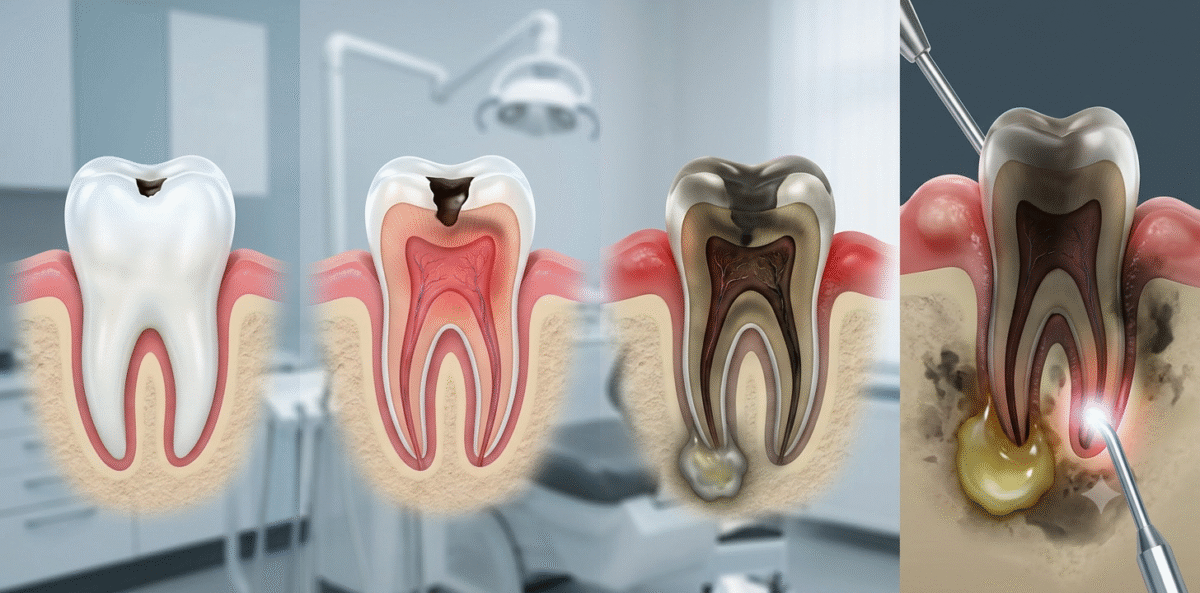
An infected tooth root usually develops when bacteria enter the dental pulp, the soft tissue inside a tooth containing nerves and blood vessels.
This can happen due to deep tooth decay, cracks, dental injuries or untreated cavities. Once bacteria reach the pulp, they can cause inflammation and infection.
In some cases, the infection travels through the root canal towards the tip of the root, where it may form a pocket of pus known as a periapical abscess.
The condition can cause significant discomfort and may require professional dental treatment to eliminate the infection.
What Are the Common Warning Signs of an Infected Tooth Root?
An infected tooth root can produce several symptoms. While the severity may vary, certain warning signs should never be ignored.
Here are some common symptoms to watch out for:
1. Persistent or Throbbing Toothache
One of the most common signs of an infected tooth root is persistent tooth pain.
The discomfort may feel deep, constant or throbbing. It can become worse while chewing, biting or applying pressure to the affected tooth.
In some cases, the pain may spread towards the jaw, ear or surrounding areas.
If your toothache continues or becomes increasingly uncomfortable, schedule a dental examination.
2. Sensitivity to Hot and Cold
An infected or inflamed tooth may become sensitive to hot or cold foods and beverages.
You may experience sharp discomfort when drinking something cold or consuming hot foods.
However, sensitivity alone does not confirm a root infection. Cavities, enamel erosion and gum recession can also cause similar symptoms.
Persistent or worsening sensitivity should be evaluated by a dentist.
3. Swollen or Tender Gums
An infection near the root of a tooth can affect the surrounding gum tissue.
You may notice redness, swelling or tenderness around the affected area. Sometimes, a small pimple-like bump may appear on the gums, indicating a possible draining dental abscess.
Even if the swelling reduces temporarily, the underlying infection may still be present.
4. Facial or Jaw Swelling
When an infection spreads beyond the tooth root, it may cause swelling in the surrounding gums, jaw or face.
You may notice puffiness around one cheek or discomfort near the jawline.
Facial swelling associated with a tooth infection requires urgent dental assessment. If swelling spreads towards the neck or eye, or causes difficulty breathing or swallowing, seek emergency medical care immediately.
5. Bad Breath or an Unpleasant Taste
An infected tooth root may sometimes lead to a buildup of pus around the affected area.
If the abscess begins to drain, you may notice an unpleasant taste in your mouth or persistent bad breath.
Although the discomfort may decrease after drainage, this does not mean the infection has healed. Professional treatment is still necessary.
6. Pain While Chewing or Biting
An infected tooth root can make the surrounding tissues sensitive to pressure.
You may experience discomfort when chewing food or biting down on the affected tooth.
This happens because inflammation around the root can make the tooth and supporting tissues tender.
Avoid putting unnecessary pressure on the affected area and consult your dentist for an evaluation.
7. Fever and General Discomfort
A spreading dental infection can trigger a response from your immune system.
You may experience fever, fatigue, weakness or a general feeling of being unwell.
Fever accompanied by tooth pain or facial swelling may indicate a more serious infection that requires urgent assessment.
What Causes an Infection at the Tooth Root?
Several dental problems can allow bacteria to reach the inner structures of a tooth and eventually cause a root infection.
Common causes include:
1. Deep Tooth Decay
Untreated cavities can gradually spread through the outer layers of the tooth and reach the dental pulp.
Once bacteria enter the pulp, they can cause inflammation, infection and eventually damage the root area.
2. Cracked or Broken Teeth
A cracked or damaged tooth can create an opening for bacteria to enter the inner tooth structure.
Even if the damage appears small, it may expose the pulp and increase the risk of infection.
3. Previous Dental Injuries
An injury to a tooth can damage its internal tissues, sometimes causing the pulp to lose its blood supply.
In certain cases, the pulp may become infected even when there is no visible damage to the outer surface of the tooth.
4. Failed or Incomplete Previous Root Canal Treatment
Sometimes, bacteria may remain inside the root canal system or enter it again after treatment.
This can lead to a persistent or recurring infection around the root tip.
A dental examination and X-rays can help identify the cause.
How Is an Infected Tooth Root Diagnosed?
Diagnosing an infected tooth root requires a professional dental examination.
Your dentist may perform the following checks:
- Visual Examination: Checking for cavities, cracks, gum swelling or visible signs of infection.
- Bite and Pressure Tests: Evaluating whether the affected tooth causes discomfort when pressure is applied.
- Dental X-rays: Identifying infection around the root tip and checking the surrounding bone.
- Pulp Testing: Assessing the condition of the tooth’s nerve and its response to temperature or electrical stimulation.
These examinations help determine the extent of the infection and identify the most appropriate treatment.
What Are the Treatment Options for an Infected Tooth Root?
Treatment depends on the severity of the infection, the condition of the tooth and whether it can be saved.
Common treatment options include:
1. Root Canal Treatment
Root canal treatment is often recommended when the infection has reached the dental pulp but the tooth can still be preserved.
During the procedure, the infected pulp is removed, the root canals are cleaned and disinfected, and the space is sealed.
A dental crown may be placed afterward to restore the tooth’s strength and function.
2. Dental Abscess Drainage
If pus has accumulated around the root, your dentist may need to drain the abscess.
This helps remove the buildup of infection and relieve pressure in the affected area.
Drainage is generally performed alongside treatment of the underlying cause.
3. Tooth Extraction
If the tooth is severely damaged and cannot be restored, extraction may be necessary.
Removing the affected tooth helps eliminate the source of infection. Your dentist may also discuss replacement options, such as dental implants or bridges, once the infection has been managed.
4. Antibiotics When Necessary
Antibiotics may be prescribed if the infection is spreading or accompanied by systemic symptoms such as fever.
However, antibiotics alone generally cannot eliminate the source of a dental abscess. Root canal treatment, drainage or extraction may still be required.
6 Ways to Reduce the Risk of Tooth Root Infections
Maintaining good oral hygiene and addressing dental problems early can help reduce your risk of developing tooth infections.
Here are some simple preventive habits:
- Brush Twice Daily: Use fluoride toothpaste and a soft-bristled toothbrush to remove plaque and protect your teeth.
- Floss Every Day: Clean between your teeth to remove food particles and bacteria that brushing may miss.
- Treat Cavities Early: Do not ignore tooth decay or persistent sensitivity. Early treatment can prevent bacteria from reaching the dental pulp.
- Avoid Excessive Sugar: Limit sugary foods and beverages that contribute to tooth decay.
- Address Dental Injuries: Visit your dentist if you crack, chip or damage a tooth, even if you are not experiencing pain.
- Schedule Regular Dental Checkups: Routine dental examinations can help identify cavities, cracks and other problems before they become more serious.
When Should You Visit a Dentist?
If you experience persistent toothache, pain while chewing, swollen gums, an unpleasant taste or facial swelling, schedule a dental evaluation promptly.
Do not wait for the pain to become severe before seeking treatment. Some infected teeth may even stop hurting if the dental pulp loses its vitality, but the infection can continue developing around the root.
Seek emergency medical care if you experience difficulty breathing or swallowing, rapidly increasing facial swelling, or swelling extending towards the neck or eye.
Early diagnosis can help prevent the infection from spreading and improve the chances of saving your natural tooth.
Don’t Ignore the Warning Signs of an Infected Tooth Root
An infected tooth root can affect more than just the tooth itself. If left untreated, the infection may spread to the surrounding gums, jawbone and facial tissues.
Recognising symptoms such as persistent toothache, swollen gums, pain while chewing and facial swelling can help you seek professional care at the right time.
With appropriate treatment and regular dental checkups, many infected teeth can be successfully treated and preserved.
Don’t let a tooth infection put your oral health at risk. Schedule a dental examination today and take a proactive step towards protecting your natural smile!