

Is Ultrasonic Teeth Cleaning Safe? What Patients Should Know
Mysa Dental
07/18/2026
Professional dental cleanings are one of the most effective ways to maintain healthy teeth and gums. During many routine cleanings, dentists and dental hygienists use ultrasonic scalers to remove plaque and tartar quickly and efficiently. While some patients may be unfamiliar with this technology, it’s a safe, comfortable, and widely used method of preventive dental care.
If you’ve ever wondered whether ultrasonic teeth cleaning is safe, here’s what you should know.
What Is Ultrasonic Teeth Cleaning?
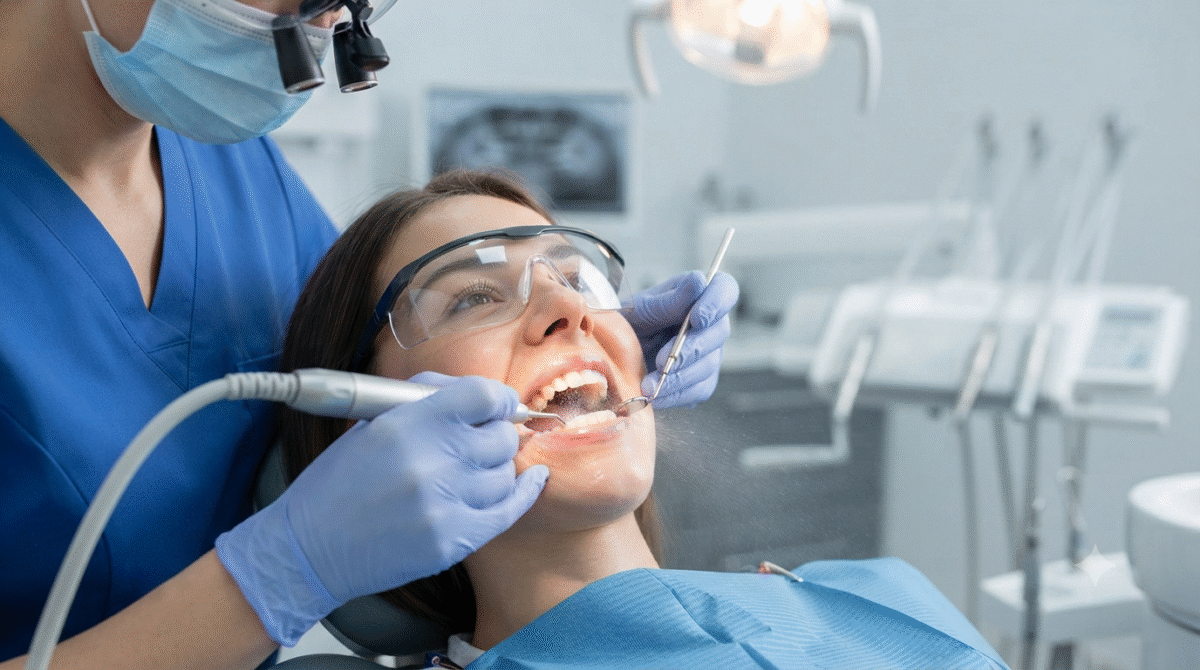
Ultrasonic teeth cleaning uses a specialized instrument called an ultrasonic scaler to remove plaque, tartar (calculus), and bacteria from the surface of your teeth and below the gumline.
The scaler works by producing high-frequency vibrations while simultaneously spraying a gentle stream of water. The vibrations loosen hardened deposits, while the water flushes away debris and helps keep the tooth cool during the procedure.
This technology allows dental professionals to clean your teeth more efficiently than using hand instruments alone.
Is Ultrasonic Teeth Cleaning Safe?
Yes. Ultrasonic teeth cleaning is considered safe for most patients when performed by a trained dental professional.
It has been used in dentistry for many years and is an effective way to remove plaque and tartar without damaging healthy tooth enamel. The procedure is carefully controlled, and your dental team adjusts the settings based on your individual needs.
For most people, ultrasonic cleaning is a routine part of preventive dental care.
Benefits of Ultrasonic Teeth Cleaning
Ultrasonic scaling offers several advantages over traditional hand scaling alone.
Some of the key benefits include:
- Removes plaque and hardened tartar efficiently
- Reaches below the gumline more effectively
- Helps reduce harmful bacteria
- Often shortens cleaning time
- More comfortable for many patients
- Supports healthier gums and fresher breath
In many cases, your dental hygienist may use both ultrasonic and hand instruments to achieve the best results.
Does Ultrasonic Cleaning Damage Tooth Enamel?
This is one of the most common concerns patients have.
When used correctly by a dental professional, ultrasonic scalers are designed to remove plaque and tartar—not healthy enamel. The vibrations target hardened deposits while preserving the natural structure of your teeth.
Attempting to remove tartar at home with dental tools is not recommended, as it can damage your teeth and gums.
Will the Procedure Hurt?
Most patients find ultrasonic cleaning comfortable.
You may experience:
- Mild vibration sensations
- Water spraying during the procedure
- Slight sensitivity around inflamed gums
If you already have gum disease, significant tartar buildup, or sensitive teeth, you may notice temporary discomfort. Your dental team can adjust the cleaning technique or recommend options to keep you comfortable.
Are There Any Risks?
Ultrasonic teeth cleaning is safe for most individuals, but your dentist may recommend modifications if you have certain medical conditions or dental restorations.
Be sure to inform your dental team if you have:
- A pacemaker or certain implanted medical devices
- Severe tooth sensitivity
- Active oral infections
- Recent oral surgery
- Extensive dental restorations or implants
Your dentist will determine the safest cleaning method based on your health history.
What Happens After an Ultrasonic Cleaning?
After your appointment, it’s normal to experience mild sensitivity for a day or two, especially if significant tartar was removed.
You may also notice:
- Smoother teeth
- Fresher breath
- Less plaque buildup
- Healthier-looking gums
Any temporary sensitivity usually resolves quickly.
How Often Should You Have Your Teeth Professionally Cleaned?
Most people benefit from professional dental cleanings every six months.
However, patients with gum disease, heavy tartar buildup, or certain medical conditions may need more frequent cleanings as recommended by their dentist.
Regular professional cleanings help prevent:
- Cavities
- Gum disease
- Tooth loss
- Persistent bad breath
- Costly dental treatments later on
Tips for Maintaining a Healthy Smile Between Visits
To keep your teeth and gums healthy after your cleaning:
- Brush twice daily with fluoride toothpaste.
- Floss every day.
- Limit sugary foods and beverages.
- Drink plenty of water.
- Avoid tobacco products.
- Attend regular dental checkups and cleanings.
Consistent home care works together with professional cleanings to protect your oral health.
Keep Your Smile Healthy with Regular Dental Cleanings
Ultrasonic teeth cleaning is a safe, effective, and comfortable way to remove plaque and tartar while helping prevent cavities and gum disease. Combined with good daily oral hygiene, regular professional cleanings are one of the best investments you can make in your long-term oral health.
If it’s been more than six months since your last dental cleaning or you’re experiencing plaque buildup, bleeding gums, or bad breath, schedule a consultation with our dental team today. We’ll evaluate your oral health, provide a thorough professional cleaning, and help keep your smile healthy, bright, and confident for years to come.