

Why Bone Health Matters for Dental Implant Success
Mysa Dental
07/04/2026
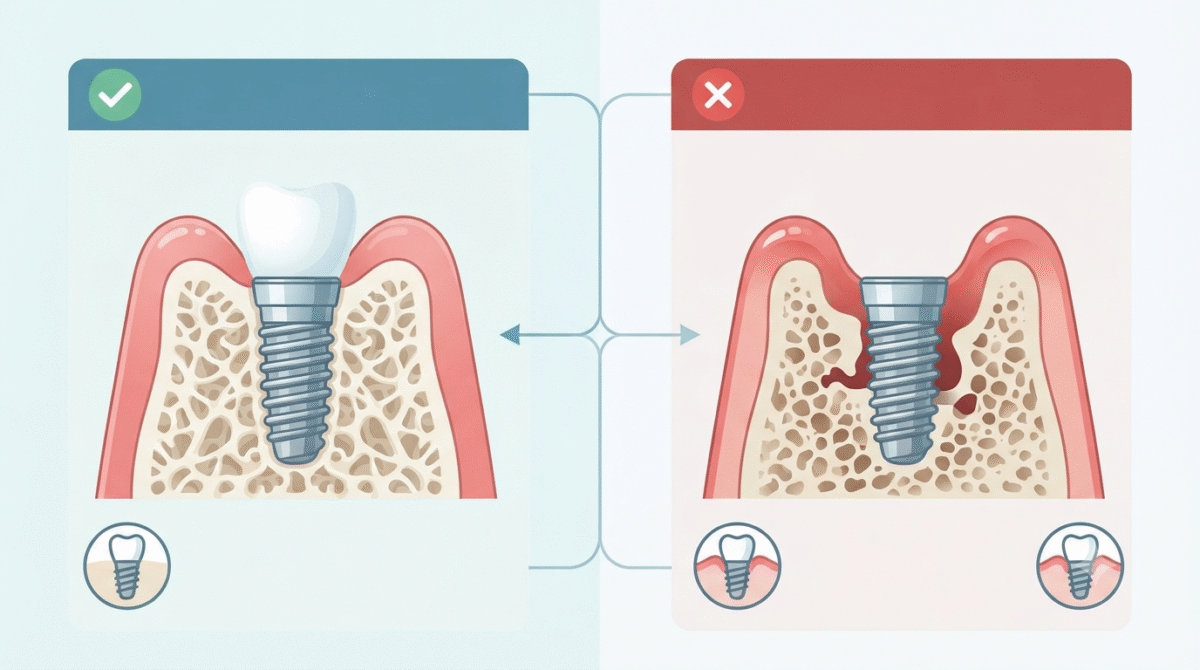
Dental implants are one of the most reliable and long-lasting solutions for replacing missing teeth. They look, feel, and function like natural teeth, helping restore your smile, improve chewing ability, and support your overall oral health. While the implant itself plays an important role, its long-term success depends on something many patients don’t think about—your jawbone.
Healthy bone provides the strong foundation needed for a dental implant to remain stable for years to come. If there isn’t enough healthy bone to support the implant, additional treatment may be necessary before the implant can be placed.
Understanding the connection between bone health and dental implants can help you make informed decisions about your treatment and improve your chances of long-term success.
Why Is Bone Important for Dental Implants?
Unlike dentures or bridges, a dental implant is surgically placed into the jawbone, where it functions as an artificial tooth root. Over time, the implant fuses with the surrounding bone through a natural process called osseointegration.
During this process, the bone grows around the implant, creating a secure and stable foundation that allows it to withstand the daily forces of biting and chewing.
Without adequate bone support, the implant may not integrate properly, increasing the risk of movement or implant failure.
What Causes Bone Loss?
The jawbone needs regular stimulation from natural tooth roots to maintain its strength and density. When a tooth is lost, that stimulation disappears, and the surrounding bone gradually begins to shrink.
Several factors can contribute to bone loss, including:
- Missing teeth for an extended period
- Advanced gum disease (periodontitis)
- Tooth infections
- Facial trauma or injury
- Certain medical conditions affecting bone density
- Smoking or tobacco use
The longer a missing tooth goes untreated, the greater the amount of bone loss that may occur.
How Bone Health Affects Implant Success
A healthy jawbone is essential because it provides the stability needed for successful healing and long-term implant function.
Good bone quality helps:
- Secure the implant firmly in place
- Support proper chewing forces
- Reduce the risk of implant movement
- Promote successful osseointegration
- Improve the long-term durability of the restoration
When sufficient bone is present, dental implants often have a very high long-term success rate.
How Dentists Evaluate Bone Before Treatment
Before recommending dental implants, your dentist will perform a comprehensive examination to determine whether your jawbone can adequately support the implant.
This evaluation may include:
- A complete oral examination
- Digital X-rays
- 3D cone beam CT (CBCT) imaging
- Assessment of your gums and surrounding teeth
- Review of your medical history
These images allow your dentist to measure the height, width, and density of your jawbone and create a personalized treatment plan.
What If You Don’t Have Enough Bone?
Not having enough bone doesn’t necessarily mean you’re not a candidate for dental implants.
In many cases, your dentist may recommend procedures that help rebuild or strengthen the jawbone before implant placement.
These may include:
Bone Grafting
Bone grafting adds bone or bone-like material to areas where the jaw has become too thin or weak. Over time, your body incorporates the graft, creating stronger support for a future implant.
Sinus Lift Procedure
For implants in the upper back jaw, a sinus lift may be recommended when there isn’t enough bone beneath the sinus cavity. This procedure creates additional bone height to support an implant.
These treatments have helped many patients who previously were not candidates for implants successfully restore their smiles.
How to Keep Your Jawbone Healthy
Maintaining good oral health before and after implant treatment is essential for preserving bone.
Healthy habits include:
- Brushing twice daily with fluoride toothpaste
- Flossing every day
- Attending regular dental checkups and cleanings
- Treating gum disease promptly
- Avoiding tobacco products
- Eating a balanced diet rich in calcium and vitamin D
- Managing medical conditions that affect bone health, such as osteoporosis or diabetes, with guidance from your healthcare provider
These habits support both your natural teeth and your dental implants.
Why Replacing Missing Teeth Early Matters
One of the best ways to preserve jawbone is to replace missing teeth as soon as possible.
When a tooth is missing for months or years, the surrounding bone continues to shrink because it no longer receives stimulation during chewing.
Dental implants are unique because they help stimulate the jawbone much like a natural tooth root. This stimulation helps slow future bone loss and supports the long-term health of your jaw.
Seeking treatment sooner rather than later may reduce the need for additional procedures such as bone grafting.
A Strong Foundation Leads to a Strong Smile
Dental implants are an excellent investment in your oral health, but their success begins with a healthy foundation. Strong, healthy jawbone provides the support needed for implants to integrate properly, function comfortably, and last for many years.
If you’re considering dental implants, don’t let concerns about bone loss discourage you. Modern dentistry offers advanced imaging, bone grafting techniques, and personalized treatment plans that have made implants possible for many patients who once thought they weren’t candidates.
Schedule a consultation with your dentist to evaluate your bone health and discuss your options. With the right planning and care, you can enjoy the benefits of a stable, functional, and confident smile for years to come.